
Conversation rooms are making a stylish comeback with their cozy layouts, sunken seating, and inviting social atmosphere. Designed to encourage relaxation and connection, these unique living spaces became especially popular in midcentury and 70s-inspired homes, where comfort and conversation were at the heart of interior design. From luxurious sunken lounges to modern curved seating arrangements, conversation rooms combine warmth, functionality, and architectural charm in a way that feels both nostalgic and contemporary. In this collection of Top 10 Conversation Room Ideas, you’ll discover inspiring spaces that transform everyday living rooms into welcoming areas perfect for gathering, entertaining, and relaxing in style.
Enjoy Some Colourful Conversation
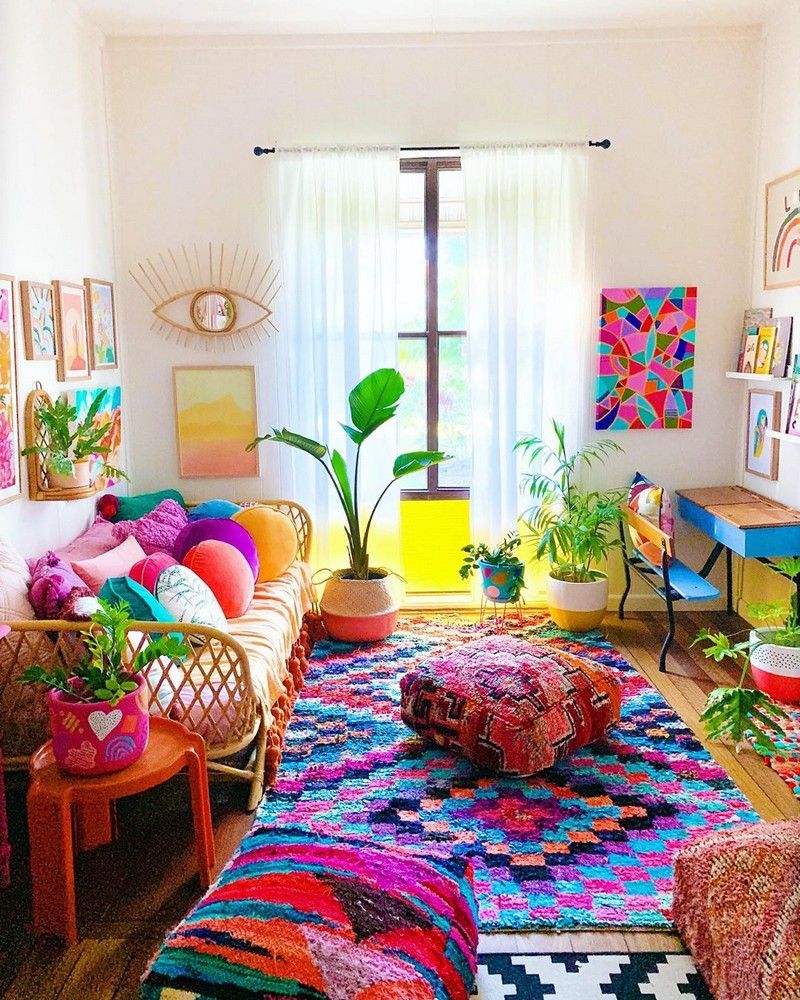
Interior Desires has designed the ultimate conversation-focused living room that perfectly balances style, comfort, and family-friendly functionality. The standout feature of the space is the bold curved sofa, which instantly draws attention with its vibrant color and sculptural shape. More than just a striking design element, the curved seating arrangement naturally encourages interaction and connection, allowing everyone in the room to face one another comfortably for meaningful conversations and quality family time. The layout creates a warm and welcoming atmosphere while still feeling modern and luxurious. By combining playful design with cozy seating and an inviting layout, the room becomes the perfect space for entertaining guests, relaxing with loved ones, or simply enjoying everyday moments in style.
Wood You Like to Talk
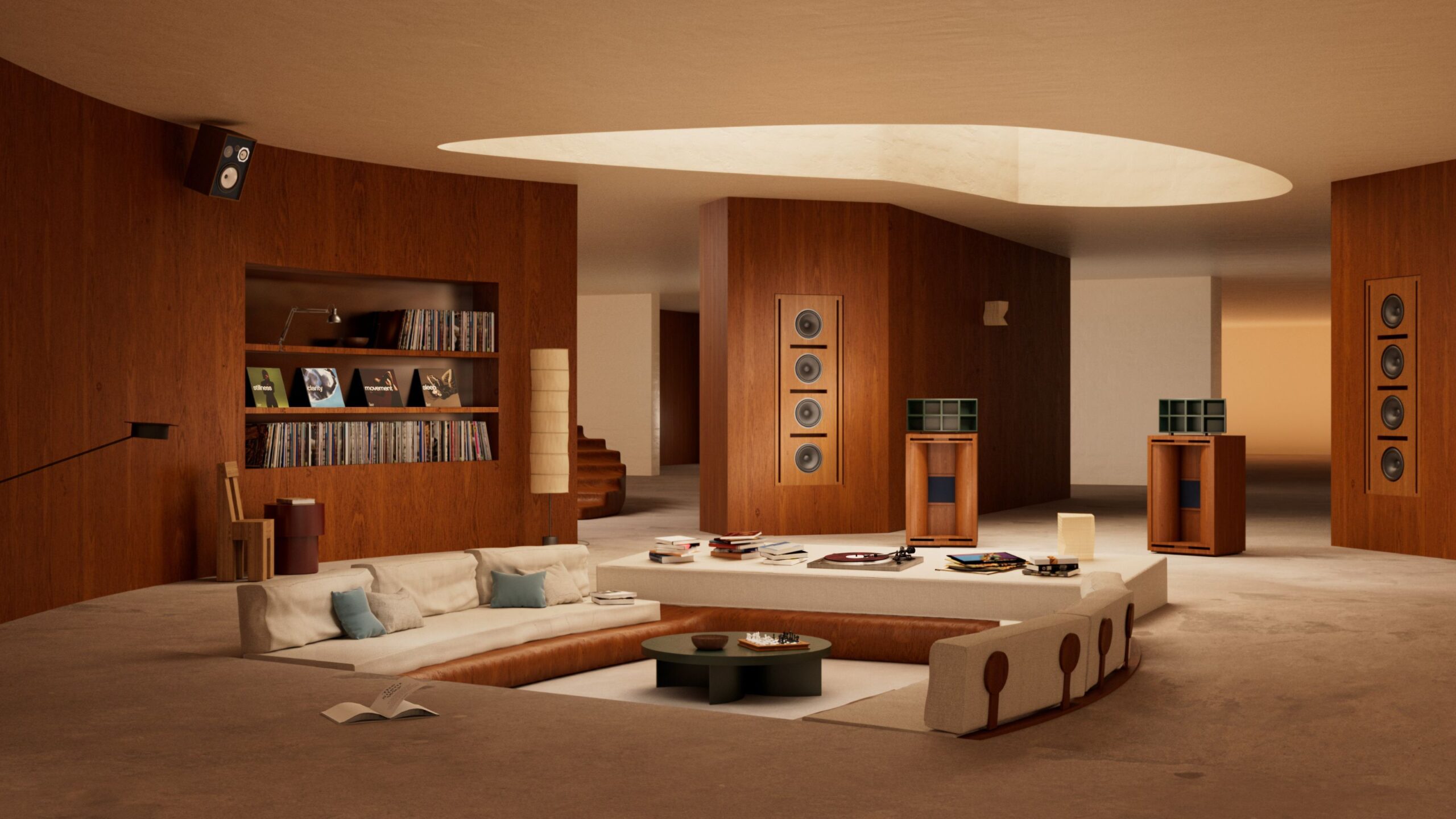
This stunning lounge perfectly captures the cozy charm of a luxurious ski lodge with its abundance of natural wood textures and warm, inviting atmosphere. Two oversized, relaxed sofas are positioned directly across from each other, creating the ideal setup for conversation and comfortable evening gatherings. A large statement coffee table placed between them anchors the space beautifully while adding both function and visual balance. The combination of soft seating, rustic materials, and thoughtful layout creates a welcoming environment that feels stylish, comfortable, and perfect for relaxing or entertaining guests.
Create Distinct Zones
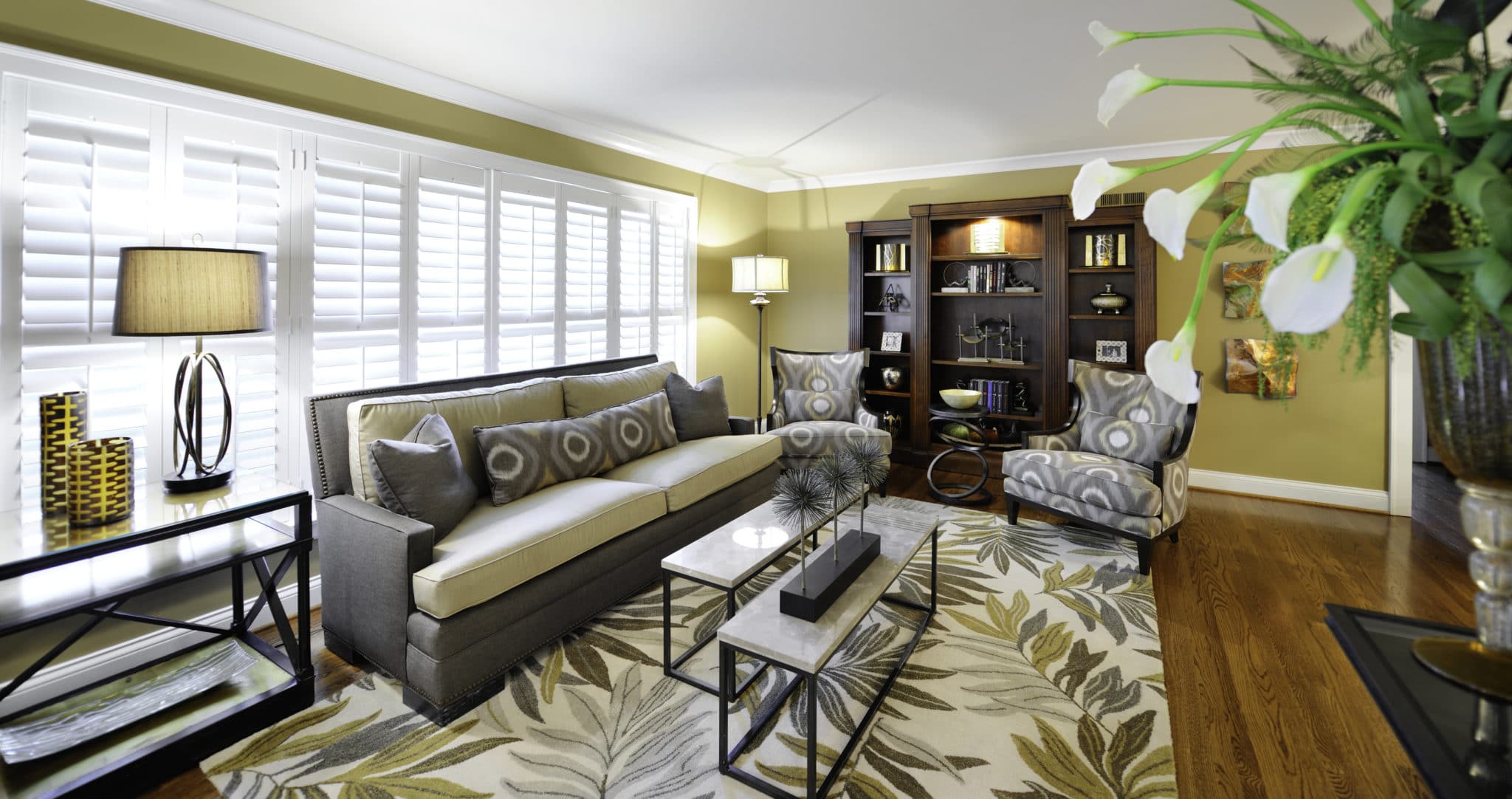
Using seating and area rugs, divide the room into distinct zones instead of treating it as one oversized space. A single large zone can feel awkward and out of proportion. As Marina V. Umali explains, creating separate seating areas within each zone makes the room more functional and visually balanced. In her own home, she installed wall-to-wall carpeting as a unified base layer, then layered a vintage area rug on top to define the central seating zone.
Don’t Push Everything Against the Wall
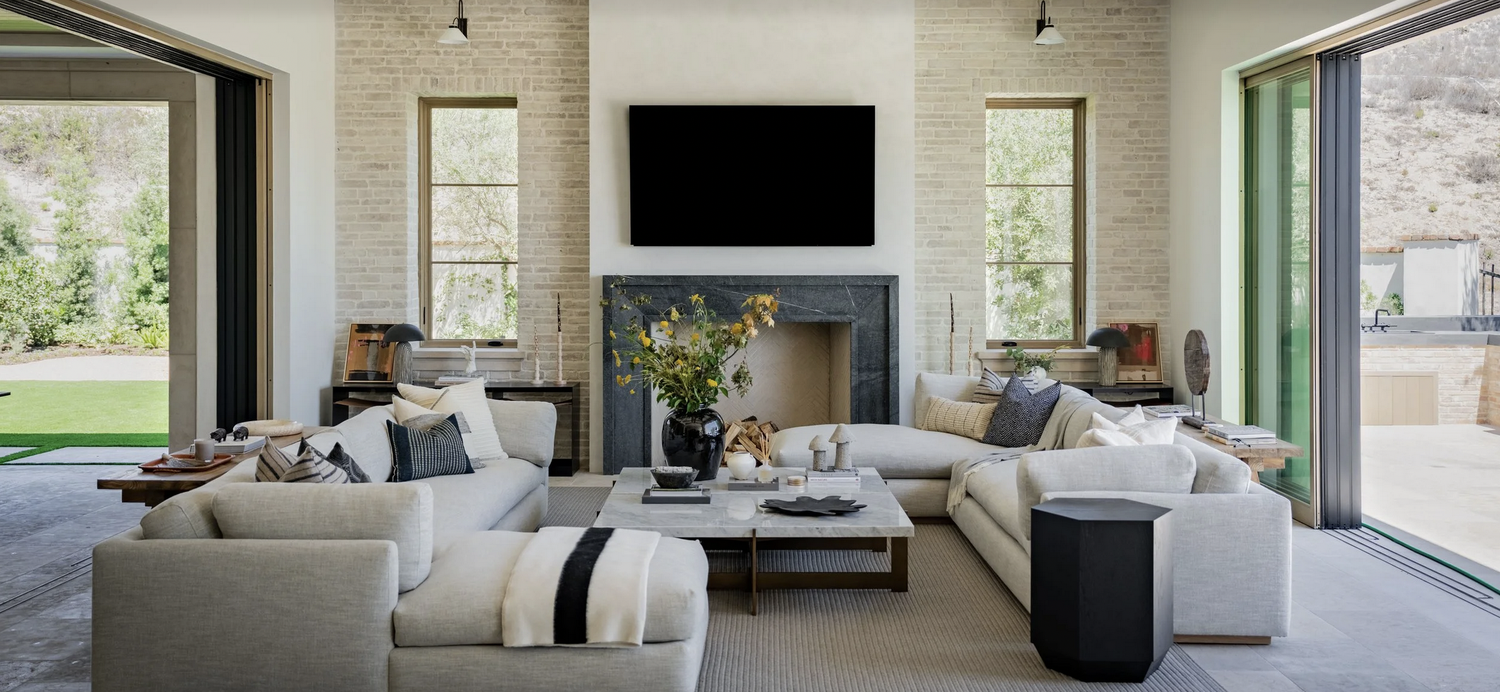
In a long, narrow living room, it may seem natural to place all the furniture against the walls to maximize open space, but this often makes the room feel like a corridor. Instead, bring some furniture groupings toward the center of the room, similar to the layout used in this Brooklyn home.
This layered arrangement helps guide the eye throughout the space, creating a warmer and more inviting atmosphere rather than emphasizing a straight walkway. In this example, two chairs paired with a small table form a flexible area that can function as a dining nook, workspace, or reading corner.
Marina V. Umali also recommends incorporating floating furniture pieces, such as a media console, to add visual depth. She notes that swivel chairs work especially well in narrow rooms because they provide flexibility and can easily face different areas depending on how the space is being used.
Keep Your Tables Smaller in Size
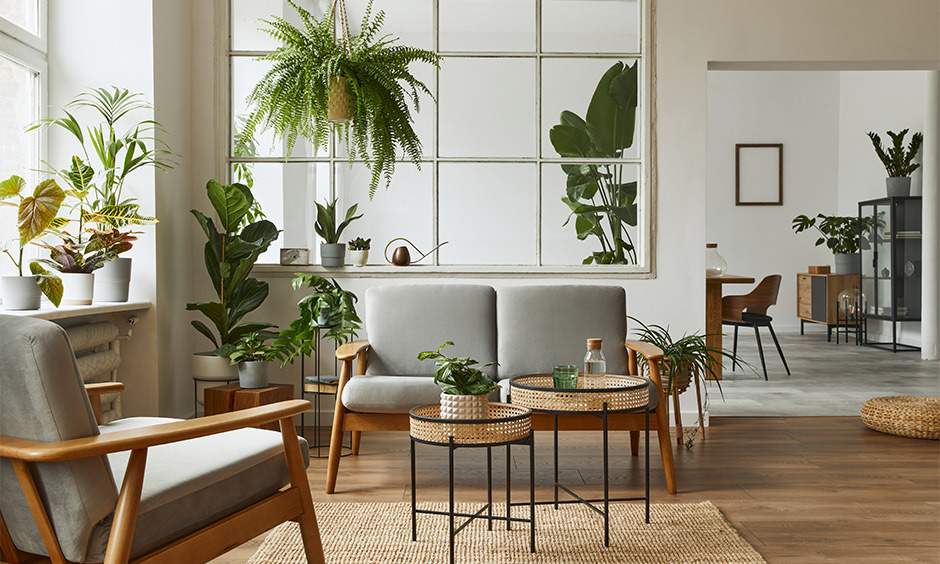
In a long, narrow room, avoiding a traditional coffee table or a combined living-and-dining arrangement can help the space feel more open and functional. This layout approach, inspired by a stylish bungalow home in Silver Lake, uses two compact nesting tables instead of one large centerpiece. Their smaller size and flexibility make it easier for people to move comfortably through the room without squeezing through tight walkways.
Low-profile and space-saving tables are especially useful when furniture must sit closer to the walls. They help maintain better circulation and reduce congestion when guests are present. Nesting coffee tables are also versatile: they can be expanded when needed for activities like casual dining, then tucked back together to preserve valuable floor space. This creates a balance between practicality and openness.
In the Lap of Luxury
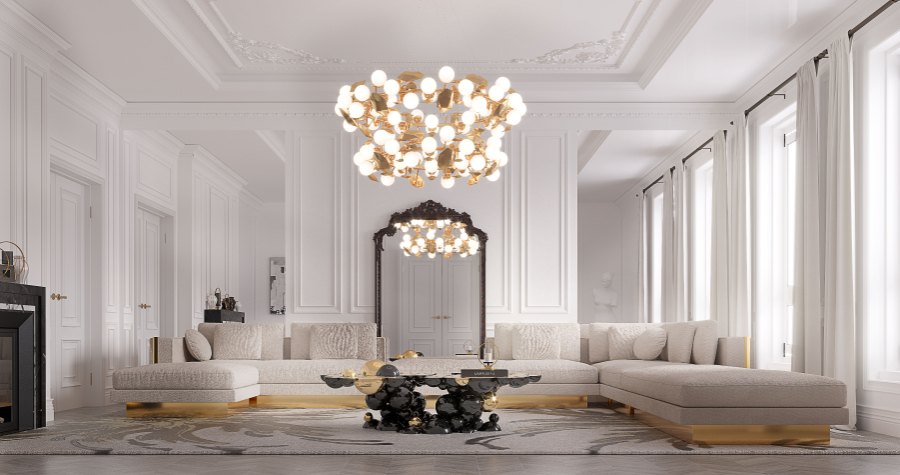
Even in spacious homes, arranging sofas directly across from one another can create a warm and highly conversational living room layout. This elegant setup demonstrates how opposing sofas encourage interaction while also bringing balance and symmetry to the space. The plush seating adds a sense of comfort and relaxation, while a centrally placed coffee table enhances both functionality and atmosphere — making the room ideal for long conversations, entertaining guests, or unwinding over a glass of Merlot.
Consider an L-shaped Sofa
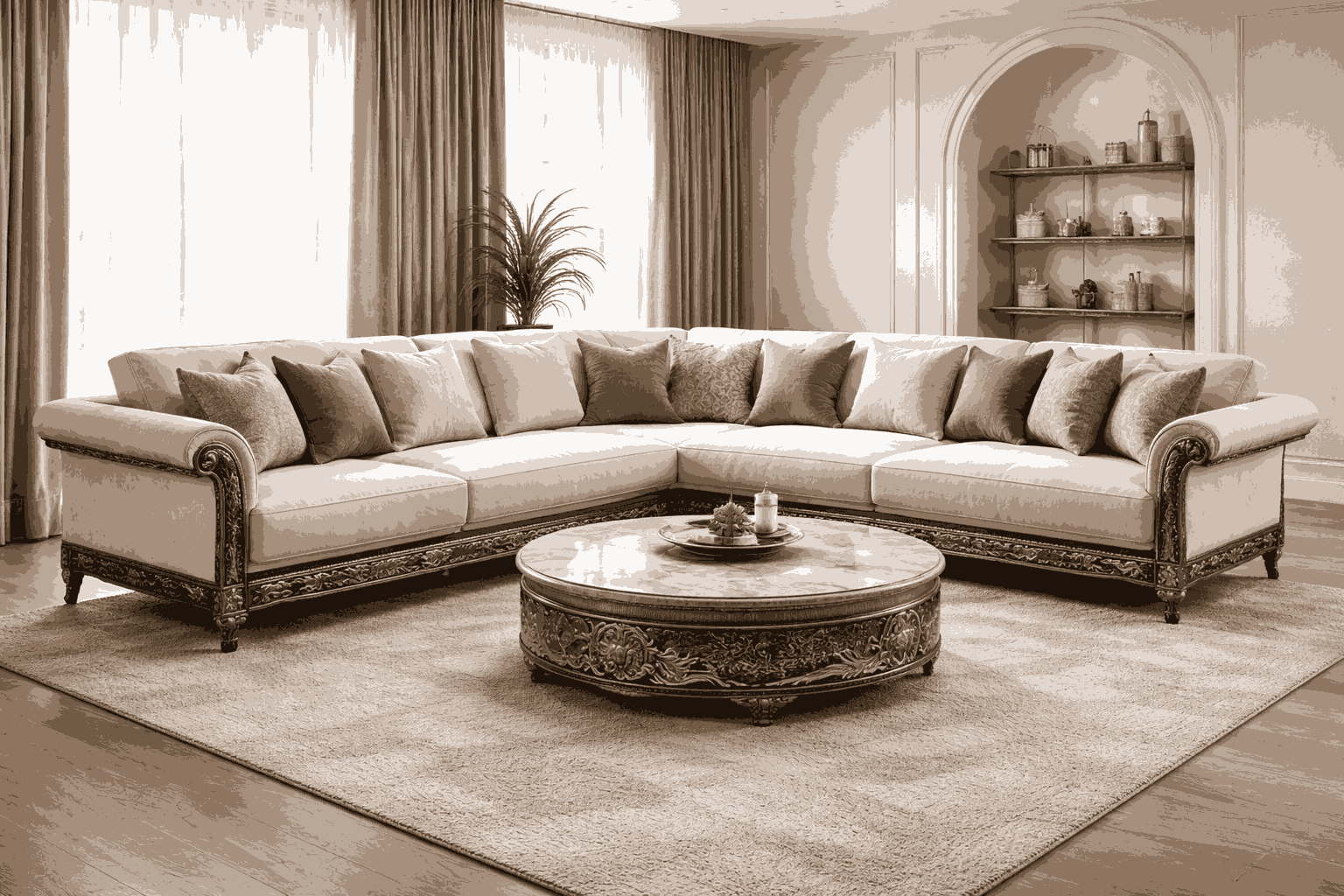
A full corner sofa can be especially effective in a long room because it maximizes seating while making better use of the available layout than a standard sofa with a chaise. In this example, the design combines a corner sectional with several other smart layout strategies to create a space that feels balanced and functional.
At the opposite end of the room, the arrangement of two chairs, a side table, and a console subtly mirrors the shape of the sofa in reverse. This repetition of forms helps create visual harmony and gives the entire room a more intentional, cohesive appearance.
Think Beyond Seating
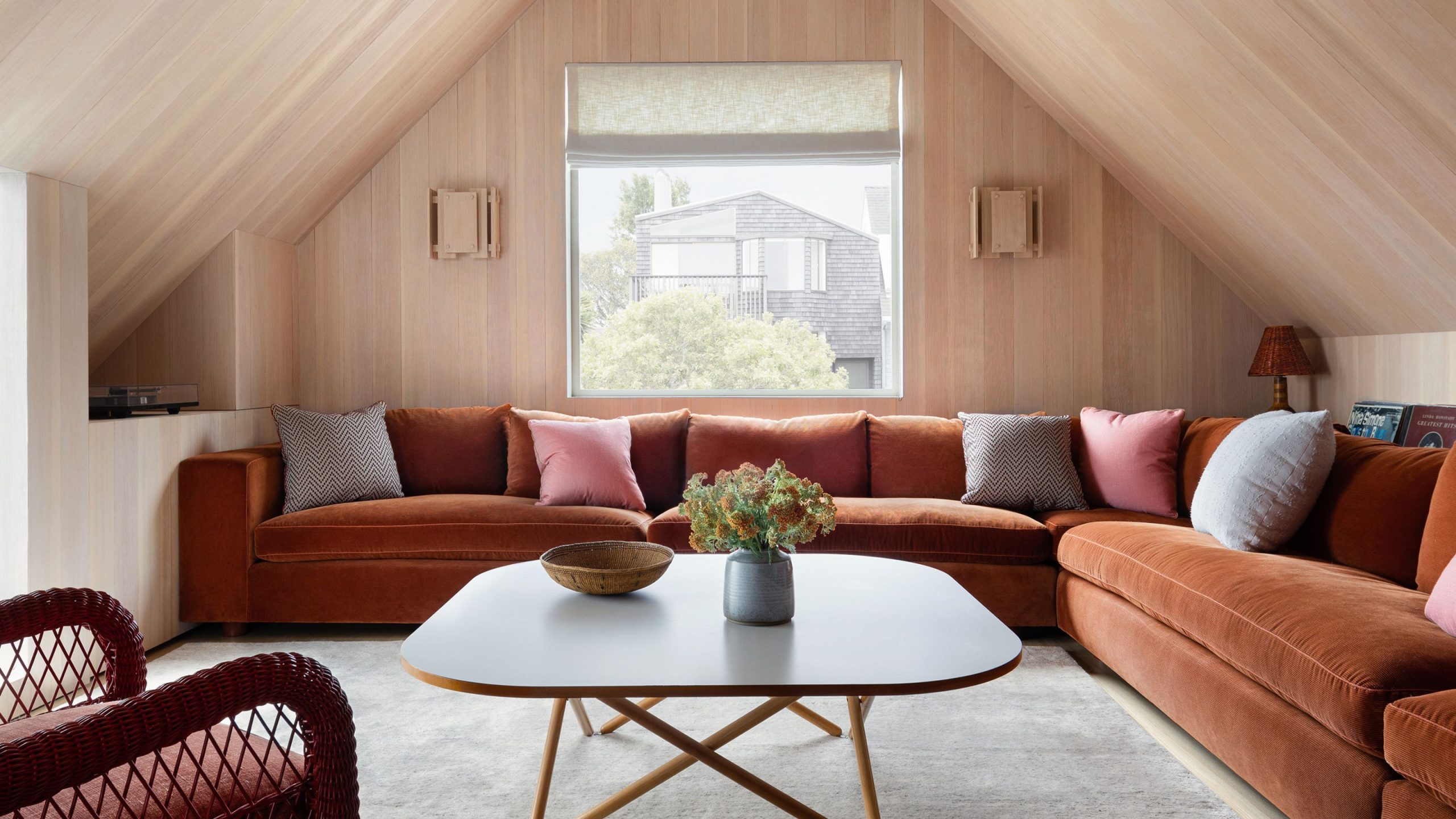
Not every area in a room has to be made for relaxing. Some spaces can simply act as stylish design features, showcasing beautiful décor while creating a visual pause between larger furniture like sofas and chairs. In this historic Buenos Aires townhouse, a desk and vintage décor pieces create a space that is both functional and visually striking.
“Using tall artwork or plants can help make the room feel taller by drawing attention upward. Nesting tables are also a smart choice because they save space when tucked away but can easily be used when guests need extra comfort or functionality,” Umali explains.
A Space Built for Two
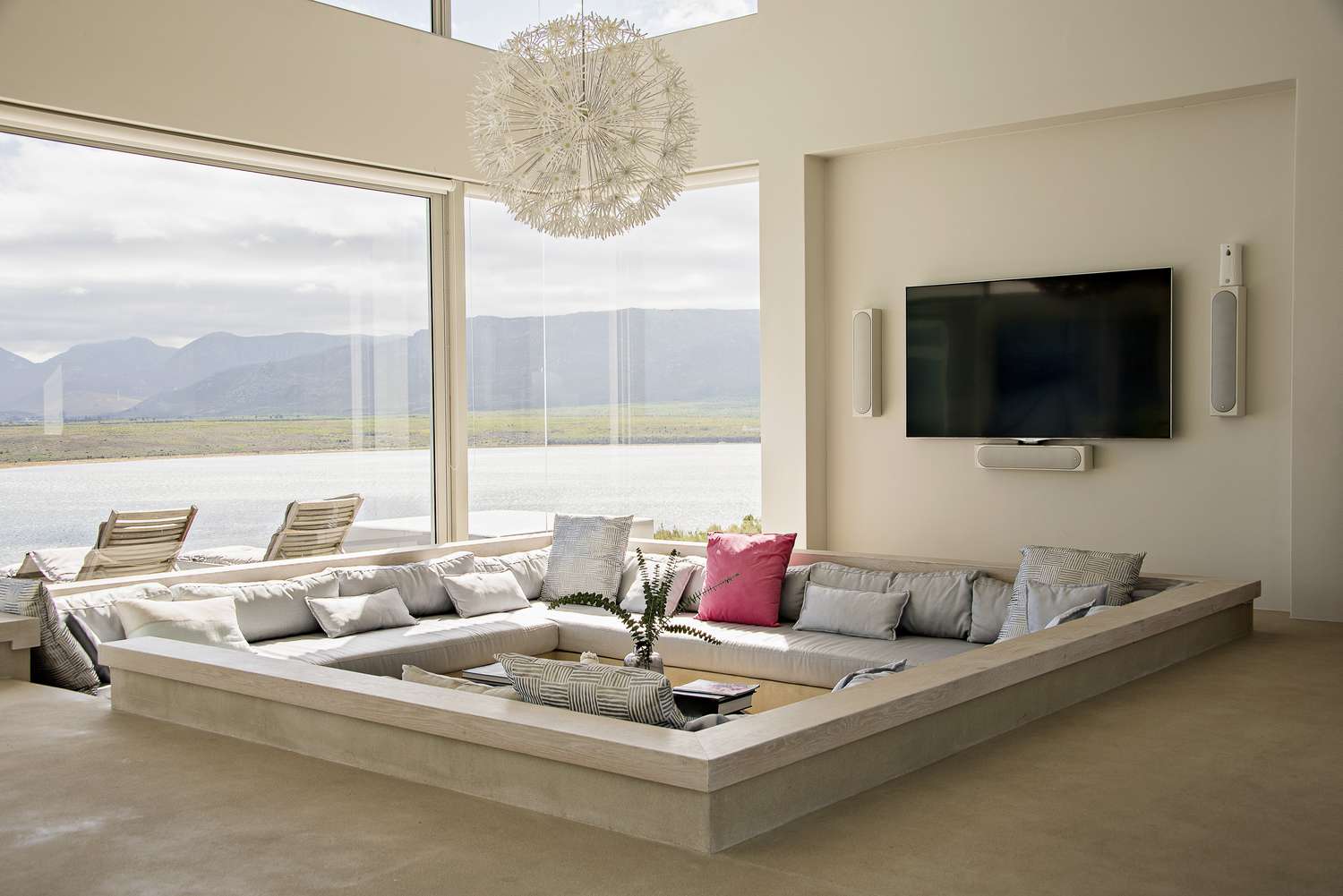
If only two people live in the home, creating a large living room filled with oversized sofas may not be necessary. However, you can still create a warm and inviting conversational area without going overboard.
Carefully arranged armchairs or single-seater chairs can provide the comfort and closeness you need for meaningful conversations. This setup proves that the only things likely to steal your attention from each other are a cozy wood-burning fireplace or a stunning outdoor view.
It’s Good to Talk, Even About the Room
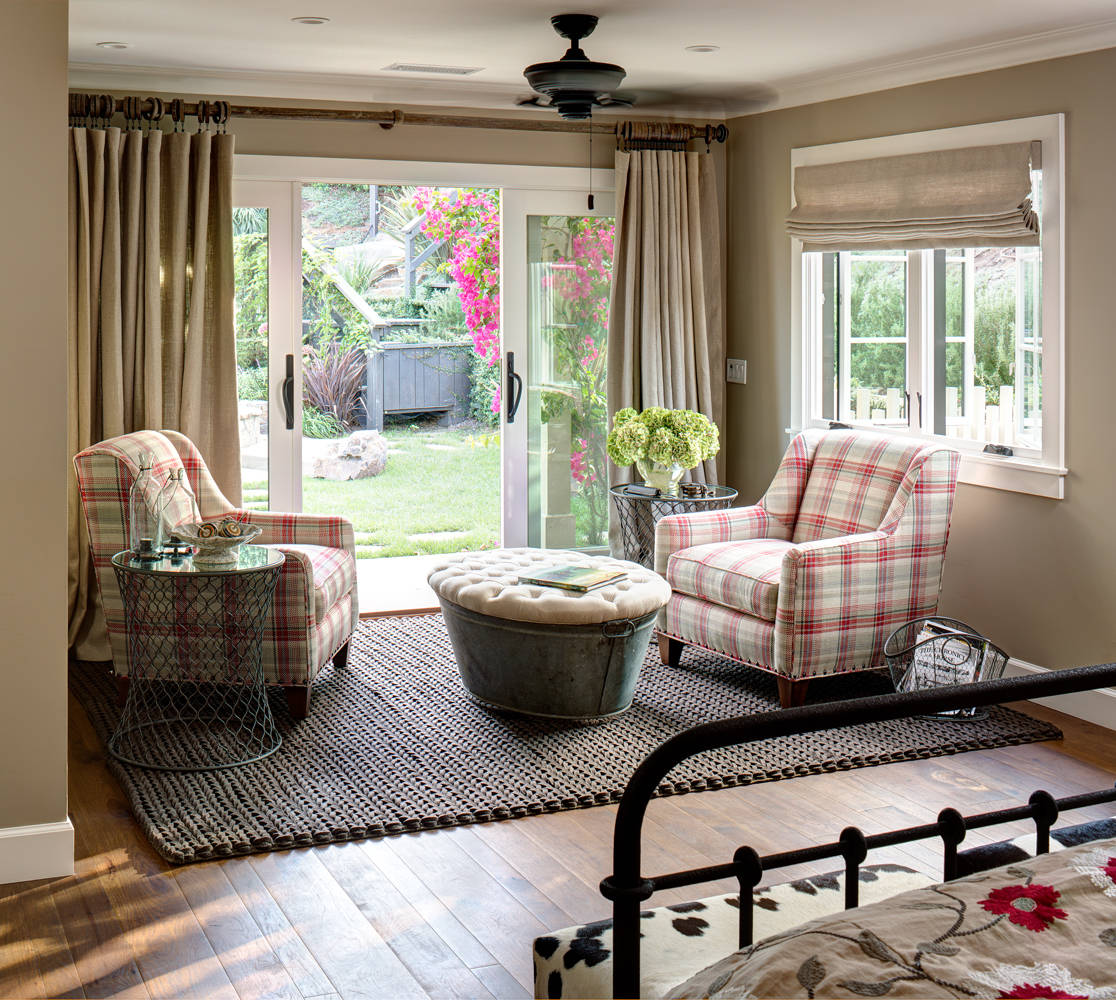
We absolutely admire this bold and eclectic living room design. The seating arrangement is thoughtfully organized to inspire easy and engaging conversation, while the unique décor itself naturally becomes a fascinating talking point. Every corner of the room offers something interesting to discuss, creating a space full of personality and creative inspiration.
That stunning dining table alone could keep a conversation going for hours with its distinctive charm and artistic appeal.
Conclusion
Creating the perfect conversation room is all about designing a space that encourages comfort, connection, and meaningful interaction. From cozy two-seater layouts to bold eclectic interiors, each style offers its own unique way of bringing people together. Thoughtfully arranged seating, eye-catching décor, warm lighting, and functional design elements all play an important role in shaping an inviting atmosphere.
Whether your taste leans toward modern simplicity, vintage charm, or creative maximalism, the best conversation rooms balance beauty with comfort. Ultimately, these spaces are not just about furniture and décor — they are about creating an environment where conversations flow naturally and memorable moments are shared.