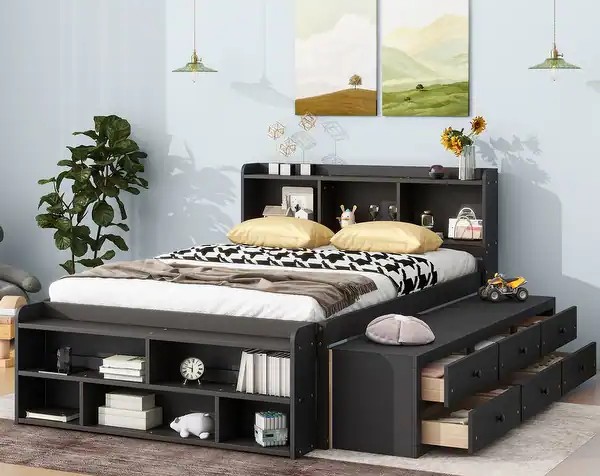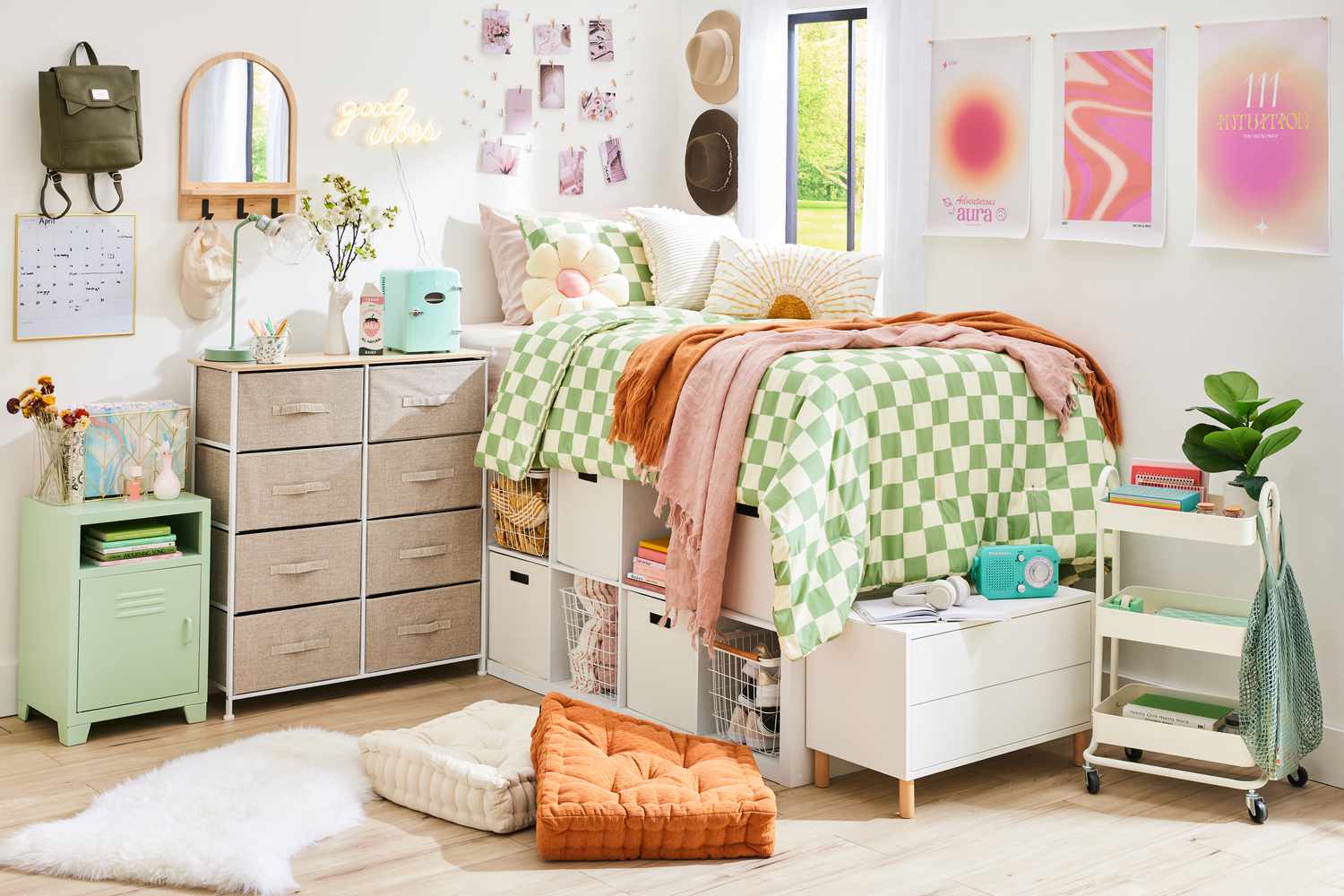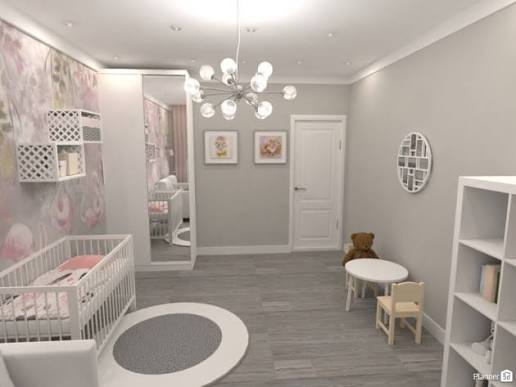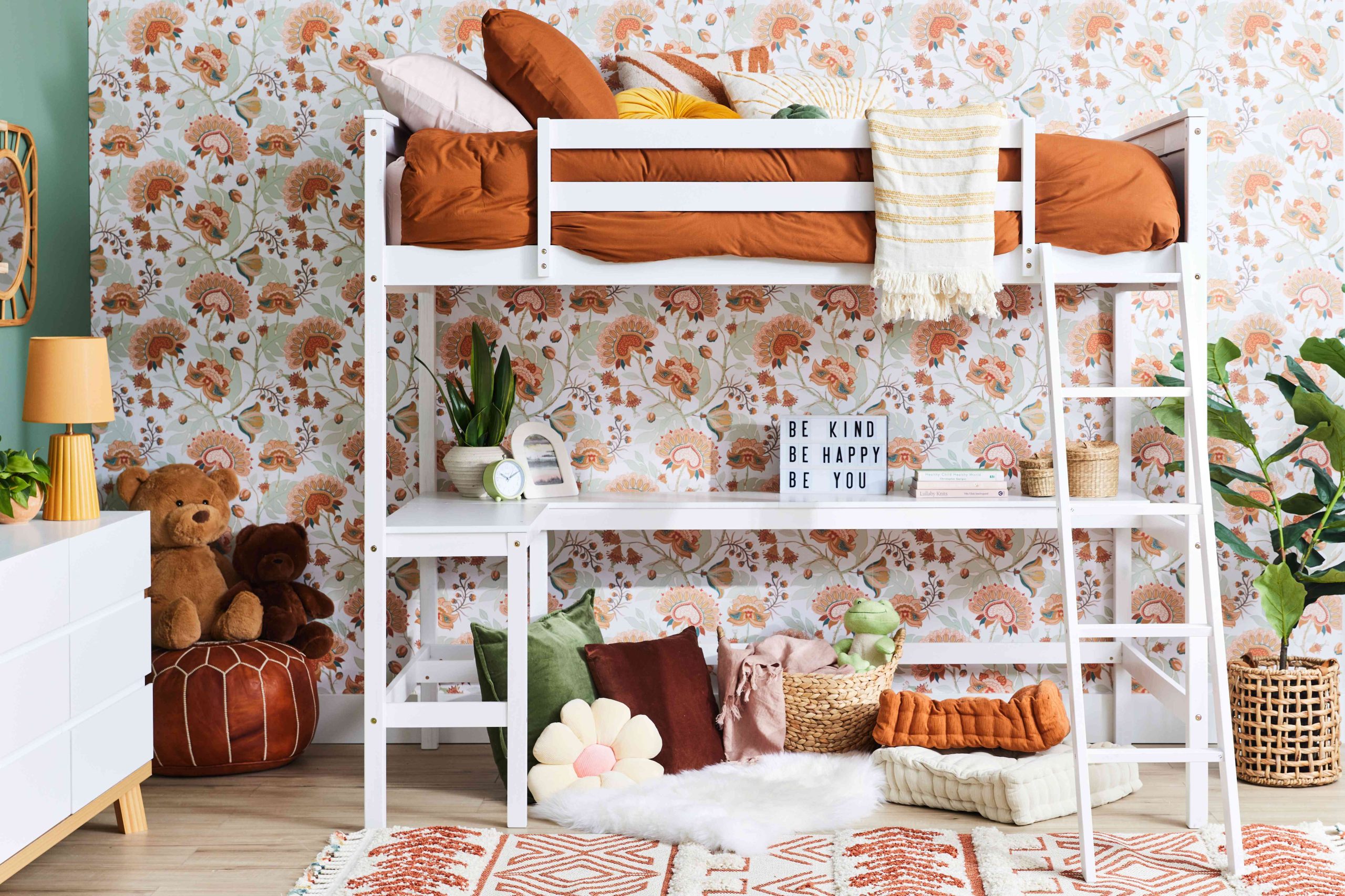
Organizing a small room requires a thoughtful approach that balances functionality, simplicity, and smart use of space. When every square foot matters, the key is to focus on maximizing vertical storage, reducing clutter, and choosing furniture that serves multiple purposes. From wall-mounted shelves and under-bed storage to compact organizers and hidden compartments, each solution should work harder without overwhelming the room.
Keeping surfaces clear and maintaining a consistent system for where items belong helps create a sense of order that feels effortless rather than forced. Light colors, open shelving, and streamlined layouts can also make a small room feel larger and more breathable, while careful editing of belongings ensures that only the most useful and meaningful items remain visible.
These small room organization ideas demonstrate how intentional design choices can transform even the most limited spaces into areas that feel calm, efficient, and easy to live in.
Declutter Like Crazy
Before bringing in storage bins or assigning everything a place, the first step in organizing any small room is decluttering as much as possible. Often, a space feels disorganized not because it lacks storage solutions, but because it’s holding on to more items than it truly needs.
Letting go of belongings can be difficult, but it’s an important part of creating a functional and comfortable environment. As one common perspective suggests, there’s a choice to be made: either we keep the space or we keep the excess items—we can’t fully have both.
While it’s natural to want to hold onto things “just in case,” that mindset can quickly lead to overcrowded, inefficient spaces. Shifting away from that habit makes it easier to see what truly adds value to everyday life.
Once unnecessary items are removed, the room immediately feels lighter and more usable. This process not only frees up physical space but also creates a sense of mental clarity, allowing you to focus on the things you actually use, need, and enjoy.
Create a Home for Each Item
A well-organized bedroom should only contain items that truly belong there and have a defined, permanent place. It’s important to avoid letting objects accumulate in the room simply because it feels more convenient than putting them back where they actually belong, or because there’s uncertainty about where else they should go.
When random items do end up in the bedroom, it helps to approach them with a simple decision process. First, consider whether they are genuinely needed—if not, they can be donated or sold to reduce clutter. If the items are necessary, the next step is to determine whether they would be better suited to another area of the home where they are used more frequently. If neither discarding nor relocating is possible, then the focus should shift to creating a proper, organized storage solution within the bedroom itself, such as incorporating them into existing furniture, closet shelving, or discreet storage units.
Maintaining a clutter-free bedroom depends on consistency and intention. By ensuring that only essential items with designated homes remain in the space, it becomes much easier to create an environment that feels calm, orderly, and genuinely restful.
Share a Dresser
Instead of using two separate nightstands, consider placing a single wide dresser between children’s beds, similar to the approach used by designer Heidi Caillier in this bedroom design. This setup not only creates a balanced visual divider between the sleeping areas but also introduces valuable additional storage for clothing and everyday essentials.
By replacing two small surfaces with one larger, multifunctional piece, you reduce the number of areas that need to be styled and kept tidy, making maintenance much easier. The result is a more streamlined, organized space that feels both practical and thoughtfully designed, especially in shared bedrooms where efficiency and order are key.
Design Secret Drawers