
Designing a long rectangular living room can feel challenging at first, but with the right layout strategy, this narrow space can become both highly functional and beautifully balanced. Because of its elongated shape, a rectangular living room often requires thoughtful furniture placement to avoid a tunnel-like feel and instead create comfortable zones for conversation, relaxation, and everyday living.
The key is to make the most of the room’s length while also visually widening the space through smart arrangement, layered lighting, and well-chosen décor. From floating furniture away from the walls and using area rugs to define separate seating areas, to incorporating multifunctional pieces and creating a clear traffic flow, there are countless ways to transform a long living room into an inviting and stylish setting. Whether your style leans modern, traditional, farmhouse, or contemporary, the right long rectangular living room layout can help you maximize every square foot while making the room feel cohesive, spacious, and easy to use.
Choose Long Furniture for a Cohesive Layout
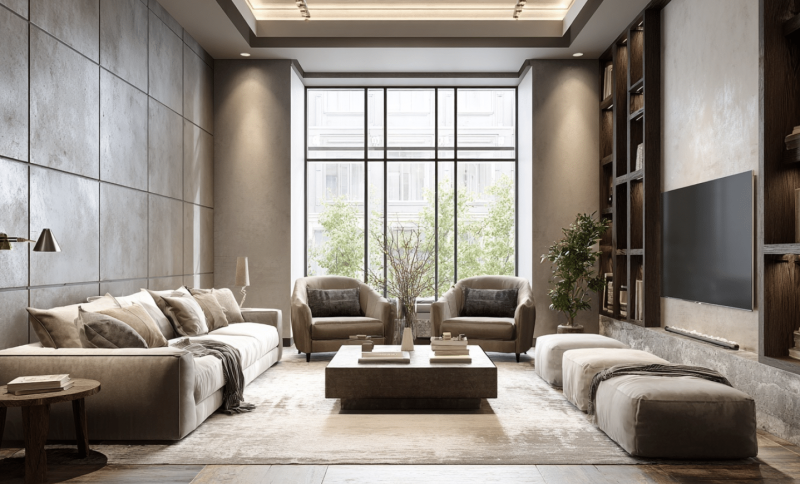
In a long rectangular living room, selecting furniture that complements the room’s shape can help create a more balanced and visually cohesive design. Longer furniture pieces naturally follow the proportions of a narrow space, reducing visual clutter and making the room feel more open and streamlined.
A rectangular coffee table, for example, can better suit the room’s layout than a square or round option, while also providing a practical surface that aligns with the flow of the seating area. Likewise, a long sofa can maximize seating without requiring multiple extra chairs or bulky accent pieces, helping you make the most of limited floor space. By choosing furniture with elongated lines and thoughtful proportions, you can create a layout that feels organized, comfortable, and well-suited to a narrow living room.
Use an L-Shaped Sofa to Define the Space
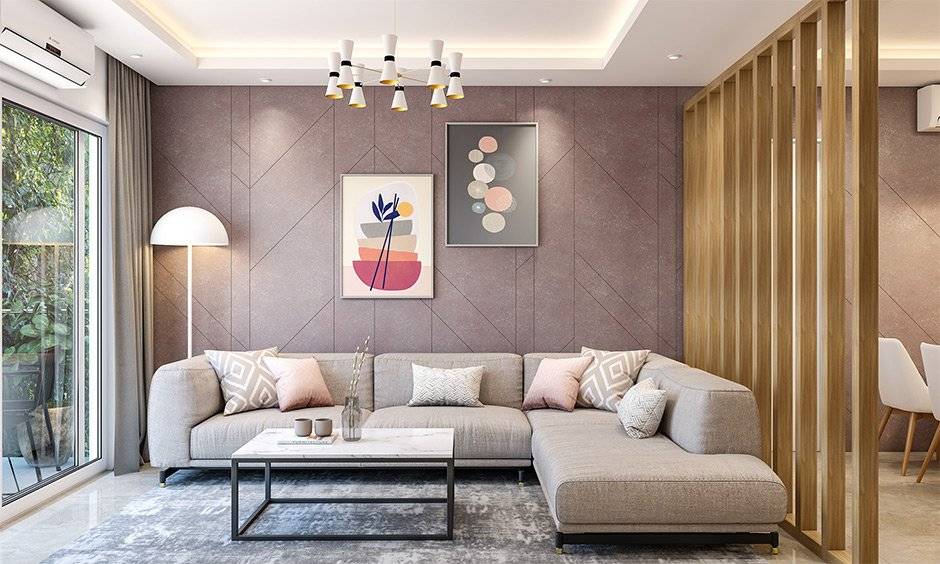
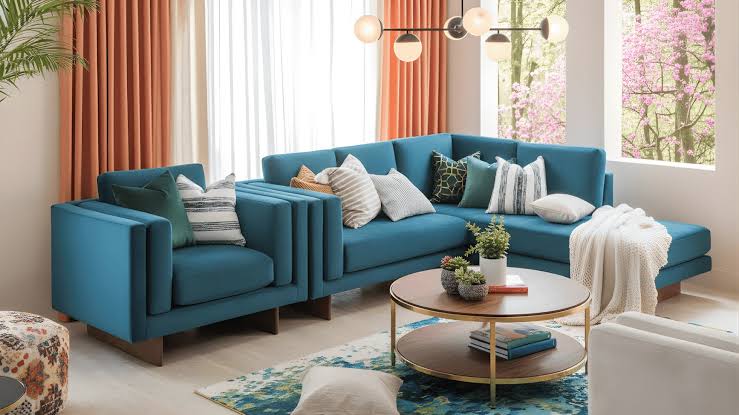
An L-shaped sofa can be an excellent choice for a long rectangular living room because it helps maximize seating while making smart use of corner space. This type of sofa works especially well in narrow layouts, where every inch of floor space matters. Positioning the longer side of the sectional along one of the room’s long walls helps maintain an open pathway and keeps the overall layout feeling organized and easy to navigate. To create a more welcoming and conversational seating arrangement, place a coffee table in front of the sofa and add one or two accent chairs along the open side of the sectional. This setup helps define a cozy gathering zone while making the room feel balanced, functional, and well-designed.
Create Distinct Zones in a Long Living Room
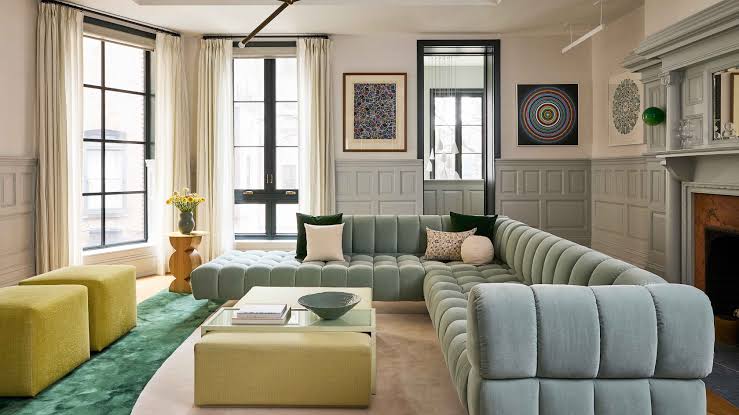
Long rectangular living rooms often benefit from being divided into separate functional zones, especially in open-concept layouts. Instead of allowing the room to feel like one long, undefined stretch, use the extra length to establish purposeful areas for lounging, reading, entertaining, dining, or even working from home. This approach helps the room feel more intentional and makes better use of the available square footage.
Rugs, sideboards, console tables, or shelving can act as subtle dividers between zones while still maintaining a cohesive overall design. At the same time, it’s important to preserve a clear walkway throughout the room so the layout feels open, comfortable, and easy to navigate. A thoughtful zoned arrangement can transform a narrow living room into a stylish, practical, and highly functional space that supports multiple everyday activities.
Float Furniture Away from the Walls
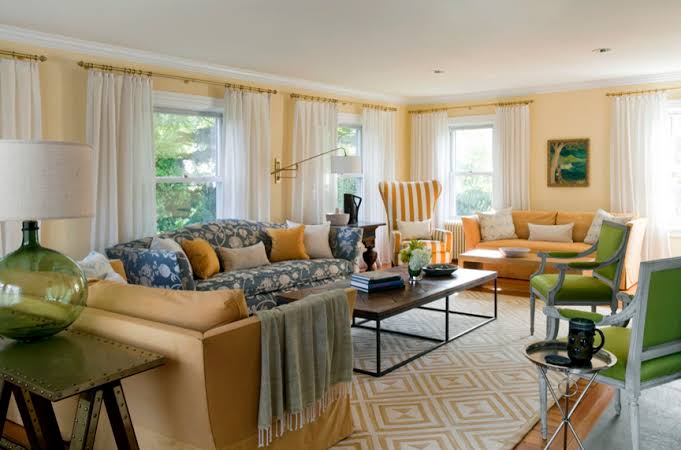
When arranging a long rectangular living room, it may seem natural to line all the furniture against the walls in an effort to open up the center of the space. However, pulling some pieces away from the perimeter can actually make the room feel more balanced and inviting. Floating furniture in the middle of the room helps break up the narrow, hallway-like effect and creates a layout that feels more intentional and comfortable.
A pair of chairs with a small table, for example, can form a flexible zone for reading, working, or casual conversation right in the center of the room. Adding floating pieces such as a media console or swivel chairs can also introduce depth and versatility, allowing the room to function in multiple ways while maintaining a more dynamic and visually appealing design.
Use Nesting Tables Instead of a Large Coffee Table
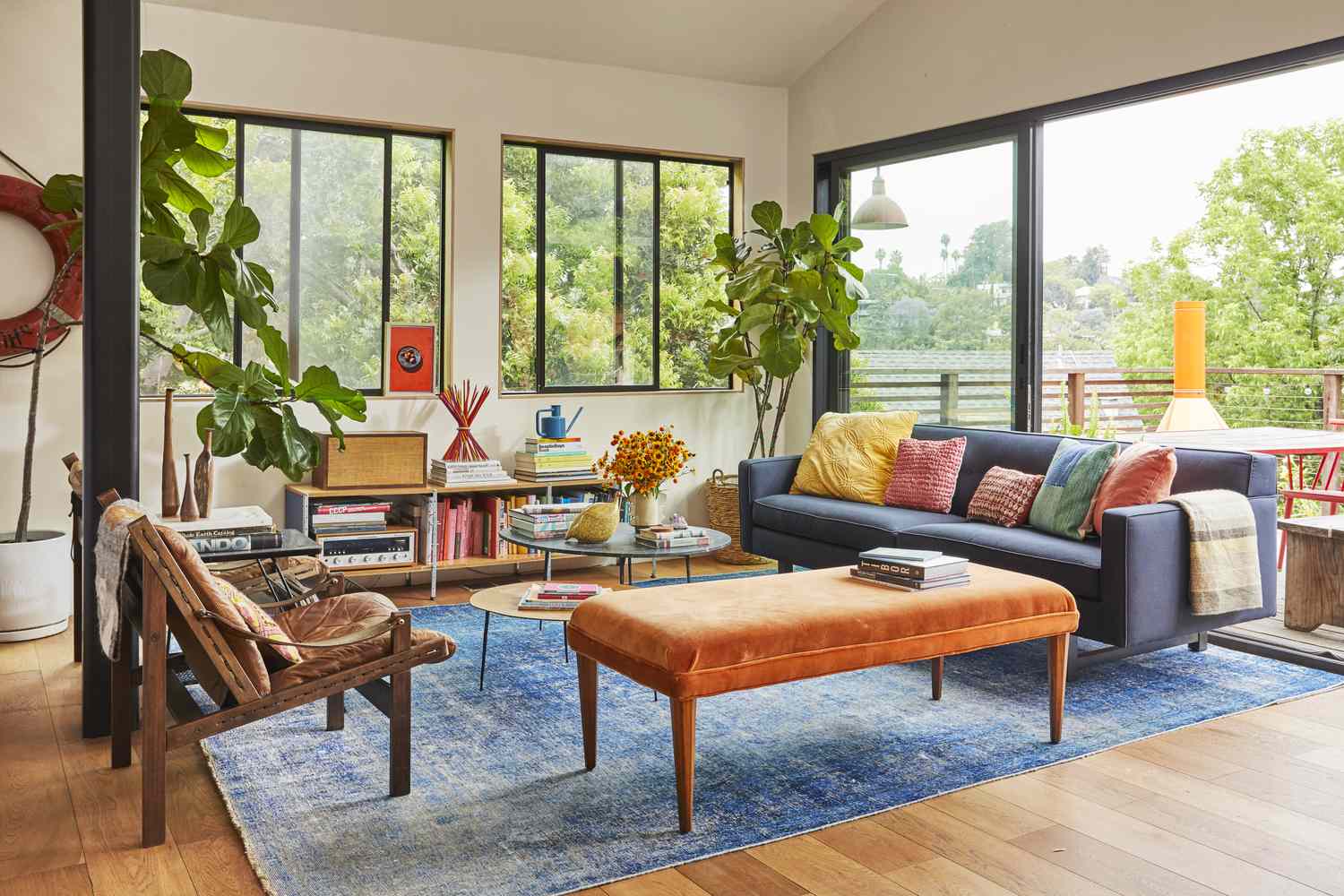
In a long rectangular living room, oversized furniture can quickly make the space feel crowded and restrict movement. Instead of using a traditional bulky coffee table, consider incorporating a set of nesting tables to keep the layout light, flexible, and functional. Their compact design makes it easier to maintain comfortable walkways, especially in narrow rooms where floor space is limited. Nesting tables can be separated when you need extra surface space for entertaining, drinks, or casual meals, and then tucked neatly together when not in use to free up valuable room. This versatile solution helps reduce visual heaviness while improving traffic flow, making it a smart choice for creating a stylish and practical layout in a long, narrow living room.
Create a U-Shaped Seating Layout
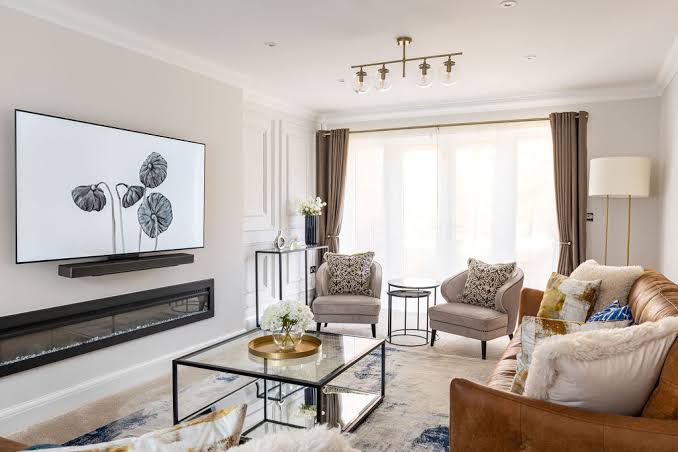
If your long rectangular living room has minimal doorways or interruptions, a U-shaped seating arrangement can be a smart and cozy way to make full use of the space. Positioning seating along three sides of the room helps create a comfortable conversation area while maximizing available square footage.
A standard sofa can anchor one wall, while a small loveseat, bench, or pair of accent chairs can be placed along the other sides to complete the layout. This arrangement encourages interaction and gives the room a warm, welcoming feel without wasting valuable floor space. To keep the setup functional and easy to navigate, choose a small round coffee table in the center, which provides surface space while allowing smoother traffic flow around the seating area.
Choose Furniture That Fits the Room’s Scale
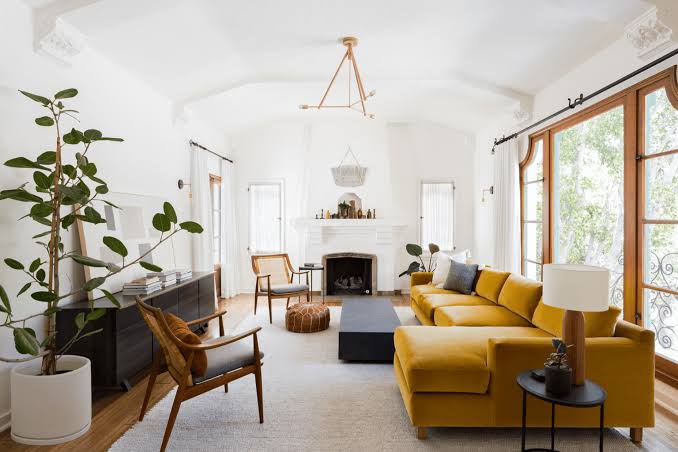
When designing a long rectangular living room, choosing furniture that matches the scale of the space is essential for creating a balanced and comfortable layout. Instead of filling the room with oversized pieces that can make it feel crowded, consider using a mix of smaller sofas, loveseats, and accent chairs that better suit the room’s proportions. Appropriately scaled furniture helps the space feel open while still providing enough seating and functionality. In some layouts, a compact L-shaped sectional can also work well, especially if it has a slim profile and a lighter visual footprint. Selecting pieces with clean lines and less bulk allows the room to feel more spacious, while also helping define zones and maintain a cohesive flow throughout the living area.
Use Color to Visually Transform the Space
Color can have a major impact on how a long rectangular living room feels and functions. When used thoughtfully, it can help the room appear brighter, taller, and more balanced while also setting the overall mood of the space. Vertical stripes in paint or wallpaper are a smart design choice for drawing the eye upward, which can make the ceiling feel higher and the room more open.
For a refined and cohesive look, consider a tonal or monochromatic color palette that layers different shades of the same hue, such as soft and charcoal grays or pale and deep blues. If you prefer a lighter, more airy atmosphere, start with a neutral foundation like beige, cream, or light taupe and pair it with crisp white accents or subtle striped details. A well-planned color scheme can make a narrow living room feel more inviting, polished, and visually spacious.
Maximize Natural Light with Sheer Window Treatments
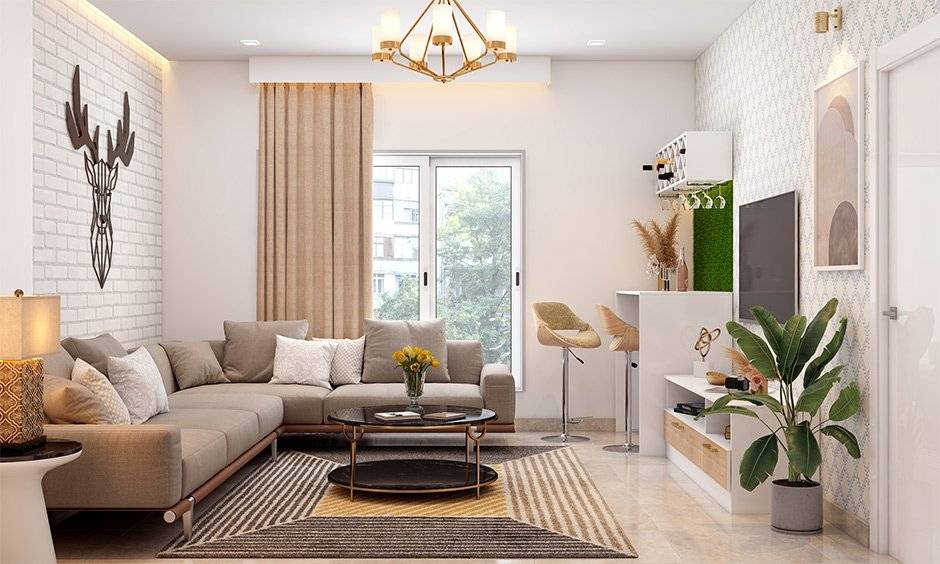
Natural light can make a long rectangular living room feel brighter, larger, and far more inviting, which is why it’s important to make the most of any windows in the space. Rather than covering them with heavy curtains that block sunlight and visually weigh down the room, opt for sheer window treatments that allow light to filter through while still providing a degree of privacy. Soft, lightweight fabrics help maintain an airy atmosphere and can instantly reduce the closed-in feeling that narrow rooms sometimes have. By keeping window coverings light and minimal, you can enhance the room’s openness, highlight its best features, and create a fresh, welcoming environment that feels comfortable throughout the day.
Arrange Furniture Symmetrically
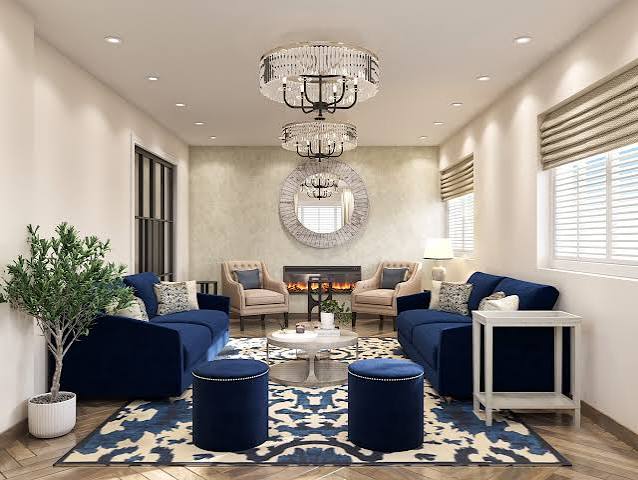
Symmetry can be a highly effective design strategy in a long rectangular living room, helping the space feel more balanced, polished, and visually cohesive. Because narrow rooms can sometimes feel uneven or stretched, arranging furniture in a symmetrical layout brings a sense of order and structure to the design. For example, placing matching sofas, chairs, or side tables on opposite sides of the room can create a balanced focal point while softening the effect of the room’s elongated shape. A central coffee table can further anchor the arrangement and tie the seating area together. This type of layout not only enhances visual harmony but also creates a calm and inviting atmosphere, making the room feel more intentional and comfortable for everyday living.
Conclusion
A long rectangular living room can be both stylish and highly functional when approached with the right layout strategies. By choosing furniture that suits the room’s proportions, creating distinct zones, maximizing natural light, and using thoughtful design elements such as symmetry, color, and flexible seating, you can transform a narrow space into one that feels balanced, welcoming, and easy to navigate. Whether you prefer a cozy conversational setup, a multifunctional family room, or a more formal living area, these long rectangular living room layout ideas show that even the most challenging floor plan can become a beautiful and practical part of your home.