
Deep cleaning your room is more than simply putting things away—it is an opportunity to completely refresh your space, remove hidden dust and dirt, organize clutter, and create a cleaner, calmer environment. A successful deep clean works best when you tackle the room systematically rather than trying to clean everything at once. Start by opening windows for fresh air, removing unnecessary items, and creating separate piles for things to keep, donate, relocate, or discard. Once the clutter is under control, focus on often-overlooked areas such as baseboards, corners, ceiling fans, light fixtures, under furniture, windowsills, doors, and behind large pieces of furniture.
Wash bedding, curtains, and other washable fabrics, dust surfaces from top to bottom, clean mirrors and windows, and vacuum or mop the floor thoroughly. Organizing drawers, closets, shelves, and bedside tables can also make a major difference by giving every item a designated place. Using appropriate cleaning products for each surface and following label instructions helps protect furniture and finishes while achieving better results. Whether your room needs a seasonal refresh or simply feels overdue for a serious cleanup, these top 10 deep-cleaning steps will help you transform a cluttered, dusty bedroom into a fresh, organized, comfortable space that feels easier to maintain every day.
Define the Play Zone with a Large Area Rug
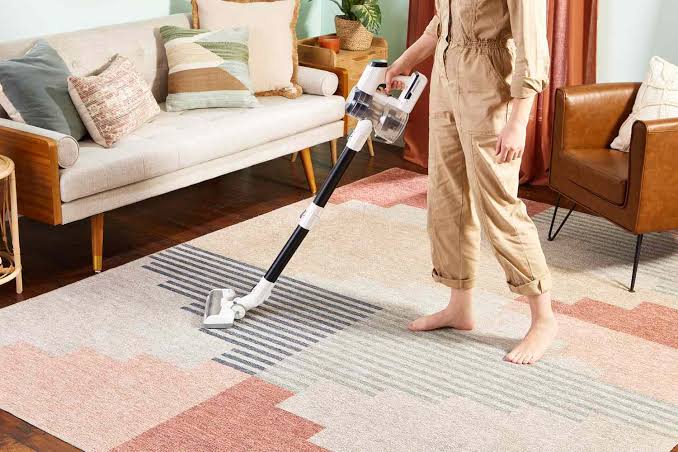
One of the easiest ways to create a dedicated play area inside a living room is to use a large area rug as a visual boundary. Choose a soft, durable, and washable rug where children can comfortably sit, crawl, build blocks, or play with toys. A neutral rug can blend seamlessly with sophisticated living room décor, while a subtle pattern can introduce a playful touch. Place a small activity table, play tent, or floor cushions directly on the rug so children naturally understand where their play area begins. This approach keeps the room open and connected while giving the play zone its own identity.
Use Low Shelving for Separation and Storage
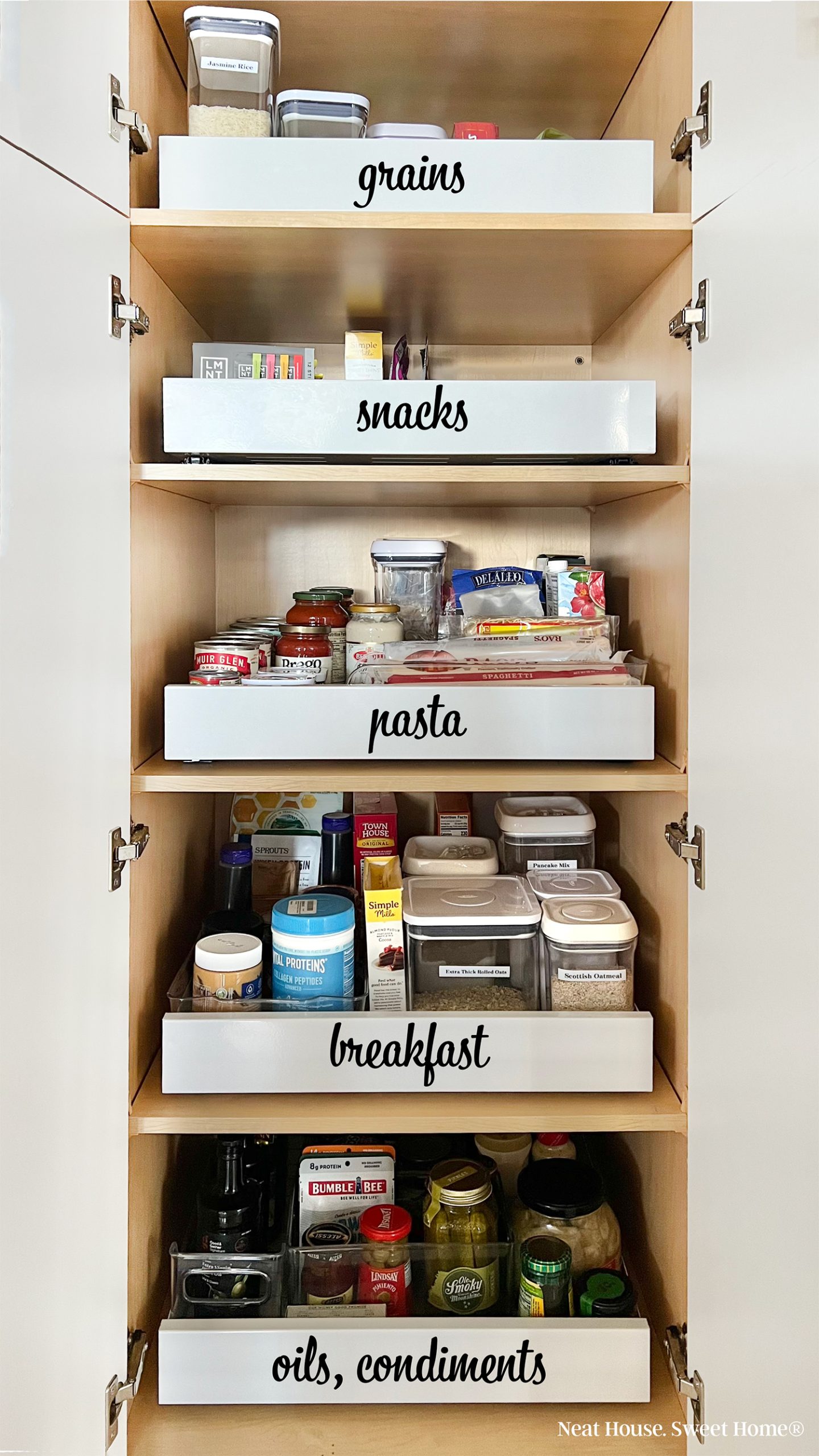
Low bookshelves and cube organizers can act as practical room dividers without blocking visibility between parents and children. Choose shelving that is low enough for children to safely access their favorite toys and books. Use baskets and labeled bins to organize building blocks, stuffed animals, puzzles, and games. The shelving can also display attractive books, framed artwork, or decorative objects that coordinate with the living room. Secure tall or unstable furniture appropriately and prioritize sturdy, child-safe pieces. This combination of zoning and storage is particularly useful in open-plan homes.
Create a Cozy Children’s Reading Corner
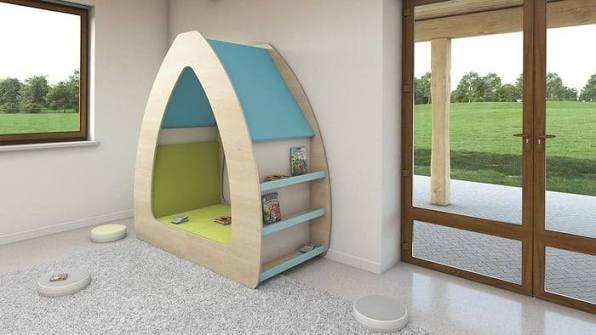
A reading corner provides a quiet alternative to more energetic play. Place a small bookshelf, comfortable floor cushion, beanbag, or child-sized chair in one corner of the living room. Add a soft blanket and warm reading light to make the space inviting. Keep books arranged at a child’s eye level so they can choose stories independently. A small canopy or simple wall art can visually define the area without requiring permanent construction. This cozy corner encourages literacy, imagination, and quiet moments while complementing the main living space.
Add a Stylish Toy Storage System
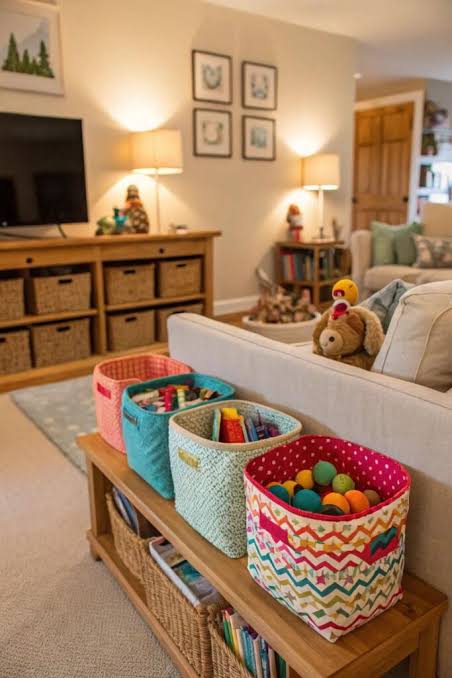
Good storage is essential for maintaining a beautiful living room when children have access to toys throughout the day. Use woven baskets, storage ottomans, closed cabinets, cubbies, and decorative bins to keep toys organized. Assign specific containers to different categories such as cars, dolls, crafts, blocks, or stuffed animals. Choose storage pieces that coordinate with the living room’s furniture and color palette so they look intentional rather than cluttered. Storage that is easy for children to reach also encourages them to participate in cleanup and develop organizational habits.
Design a Creative Arts and Crafts Station
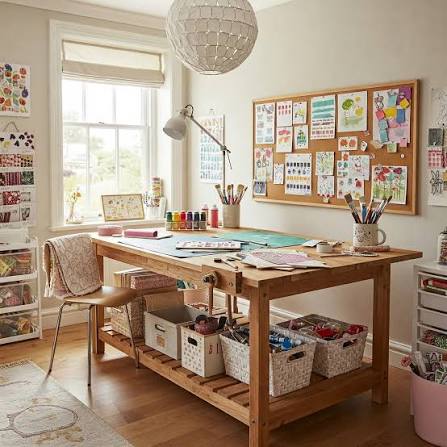
A compact art station can give children a dedicated place to draw, paint, color, and complete creative projects. Use a small table and child-sized chairs positioned on an easy-to-clean surface. Store crayons, markers, paper, coloring books, and craft supplies in containers or rolling carts nearby. A washable mat can help protect the floor from spills and messes. Displaying finished artwork on a small gallery wall or clip display adds personality to the room and gives children a sense of pride in their creations. When not in use, supplies can be quickly stored away to restore the living room’s clean appearance.
Choose Multifunctional Family Furniture
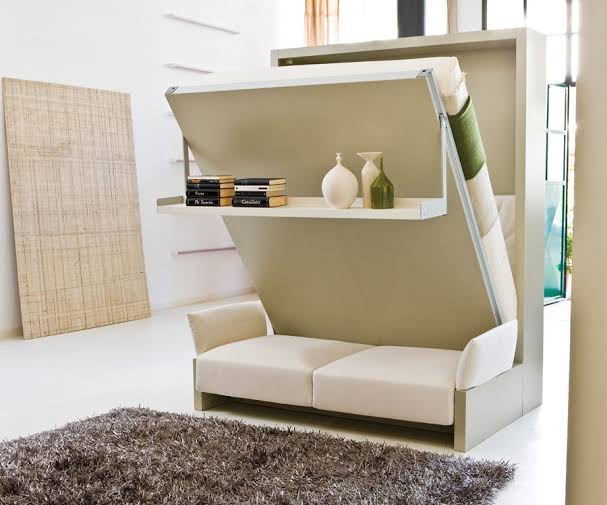
Multifunctional furniture can help a living room serve adults and children without requiring additional space. Consider a storage ottoman that can hold toys, a bench with hidden compartments, nesting tables that can be moved easily, or a coffee table with built-in storage. Rounded edges and sturdy construction are especially useful in homes with young children. Choose durable upholstery and finishes that can withstand everyday family activity. The goal is to make every piece serve more than one purpose while keeping the room comfortable and attractive.
Build an Imaginative Play Area
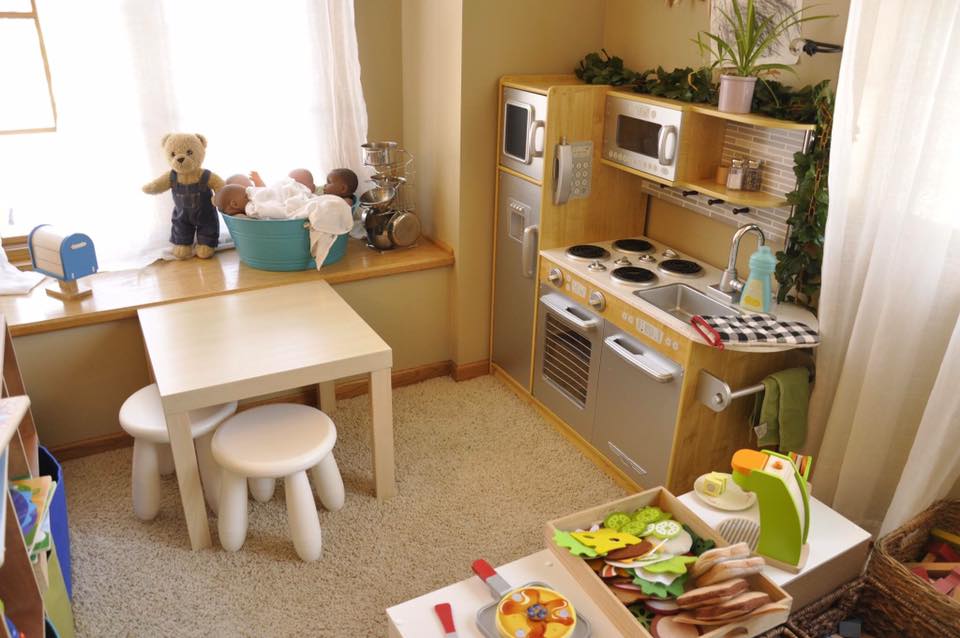
An imaginative play corner can become a special destination within the living room. Depending on your child’s interests and available space, include a compact play kitchen, dollhouse, market stand, play tent, dress-up rack, or miniature workstation. Choose one main feature rather than overcrowding the room with large equipment. Add a few rotating accessories and toys to keep the space engaging. A carefully styled play corner can encourage pretend play and creativity while still fitting naturally into the overall interior design.
Keep the Color Palette Cohesive

A coordinated color palette helps prevent the playroom section from looking disconnected from the living room. Start with neutral colors for major furniture, walls, and larger storage pieces, then introduce brighter shades through toys, artwork, cushions, rugs, and children’s accessories. Soft blue, sage green, muted yellow, terracotta, dusty pink, or warm beige can add personality without overwhelming the room. Repeating a few accent colors in both areas creates visual harmony and allows colorful toys to feel like part of the design.
Prioritize Safety and Easy Maintenance

A family living room should be designed with safety and practicality in mind. Secure furniture and shelving properly, keep cords organized, avoid unstable décor, and make sure pathways remain clear. Choose washable rugs, durable upholstery, and surfaces that are easy to wipe clean. Keep potentially hazardous objects, fragile decorations, and small choking hazards away from young children. Creating a safe environment does not mean sacrificing style; many modern storage solutions and family-friendly furniture options combine attractive design with practical functionality.
Create a Flexible Layout That Grows with Your Family
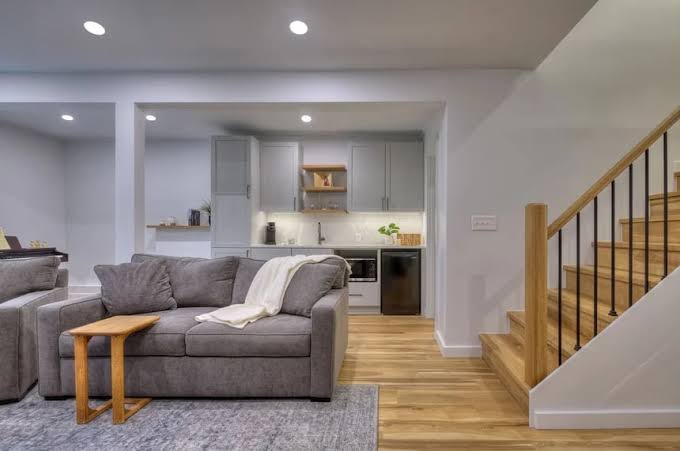
The most successful living room playroom combinations are designed to evolve. Instead of creating a permanent children’s zone that may become unnecessary later, use movable storage, lightweight furniture, rugs, and modular pieces that can easily be rearranged. As children grow, a play area can transition into a homework station, reading lounge, gaming corner, or creative workspace. Keep enough open floor space for changing activities and arrange the furniture so adults still have comfortable seating and clear sightlines. By combining thoughtful zoning, smart storage, multifunctional furniture, cozy details, and a cohesive design, you can create a living room playroom combo that remains useful, stylish, and welcoming through every stage of family life.
Conclusion
Deep cleaning your room can completely transform the way the space looks, feels, and functions. By decluttering first, organizing belongings, dusting overlooked surfaces, washing bedding and fabrics, cleaning windows and mirrors, and thoroughly refreshing the floors, you can create a room that feels noticeably fresher and more comfortable. Paying attention to hidden areas such as underneath furniture, behind doors, along baseboards, and inside drawers ensures that your cleaning routine goes beyond the obvious surfaces. Once everything is clean and organized, maintaining the space becomes much easier when you return items to their proper places and tackle small messes regularly.
The most important part of a successful deep clean is working systematically rather than trying to finish everything at once. Whether you’re preparing for a seasonal refresh or simply want to reclaim a cluttered bedroom, these top 10 deep-cleaning tips can help you create a cleaner, calmer, and more organized environment. With a little consistency, your freshly cleaned room can stay comfortable, inviting, and easy to maintain long after the deep-cleaning day is finished.