
The 90s vintage and 70s living room aesthetic is a bold and nostalgic mix of retro charm, combining the warm earthy tones and groovy patterns of the 1970s with the cozy, playful, and eclectic style of the 1990s. This unique blend brings together rich textures, funky prints, vintage furniture, and laid-back comfort to create a space full of personality and character. In this collection of Top 10 ideas, you’ll discover inspiring ways to mix both decades seamlessly, from shag rugs and wood paneling to oversized sofas and retro decor accents, creating a living room that feels timeless, stylish, and full of retro energy.
Bold Colors and Patterns
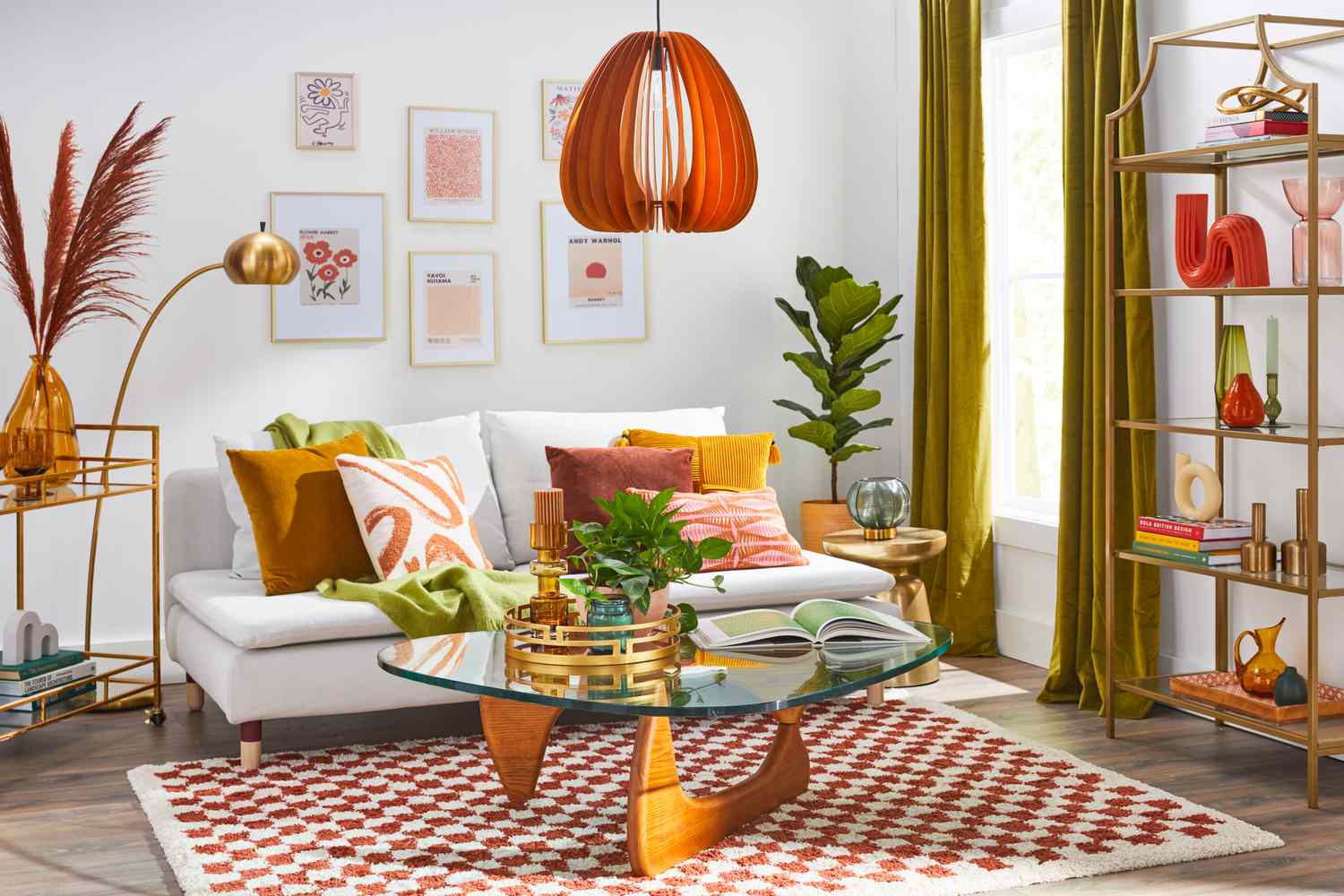
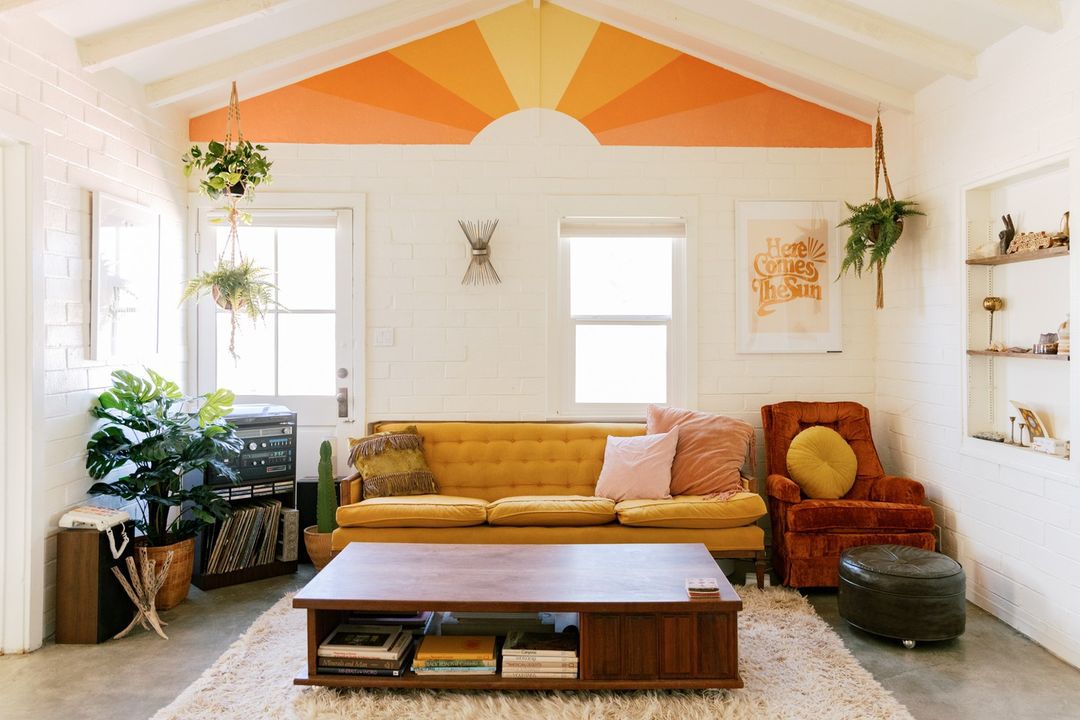
The 1970s interior design style is known for its fearless use of bold colors, expressive patterns, and warm retro vibes, and this living room perfectly captures that iconic look. A key to mastering this aesthetic is embracing pattern mixing, whether it’s through wallpaper, rugs, upholstery, or decorative accents. The space feels cohesive because all the colors stay within the same warm, earthy color family, creating harmony despite the visual variety. Shades like burnt orange, mustard yellow, deep browns, and olive green work together to build a cozy yet energetic atmosphere. By combining textured materials, vintage-inspired furniture, and layered patterns, this design achieves a balanced retro feel that is both visually exciting and comfortably inviting.
Round Room

A round room 70s living room captures the playful, futuristic spirit of 1970s interior design, where soft curves and flowing shapes replaced harsh straight lines. This style often features circular layouts, curved sofas, rounded coffee tables, and dome-like lighting fixtures that create a smooth and inviting flow throughout the space. Inspired by the retro-futurism of the era, the design embraces bold colors, textured fabrics, and funky patterns that enhance its unique architectural form. Earthy tones like burnt orange, mustard yellow, and olive green are commonly paired with plush materials such as shag rugs and velvet upholstery to add warmth and comfort. The circular layout naturally encourages conversation and relaxation, making the room feel cozy, dynamic, and visually striking while staying true to the iconic 70s aesthetic.
Voluminous Sofa
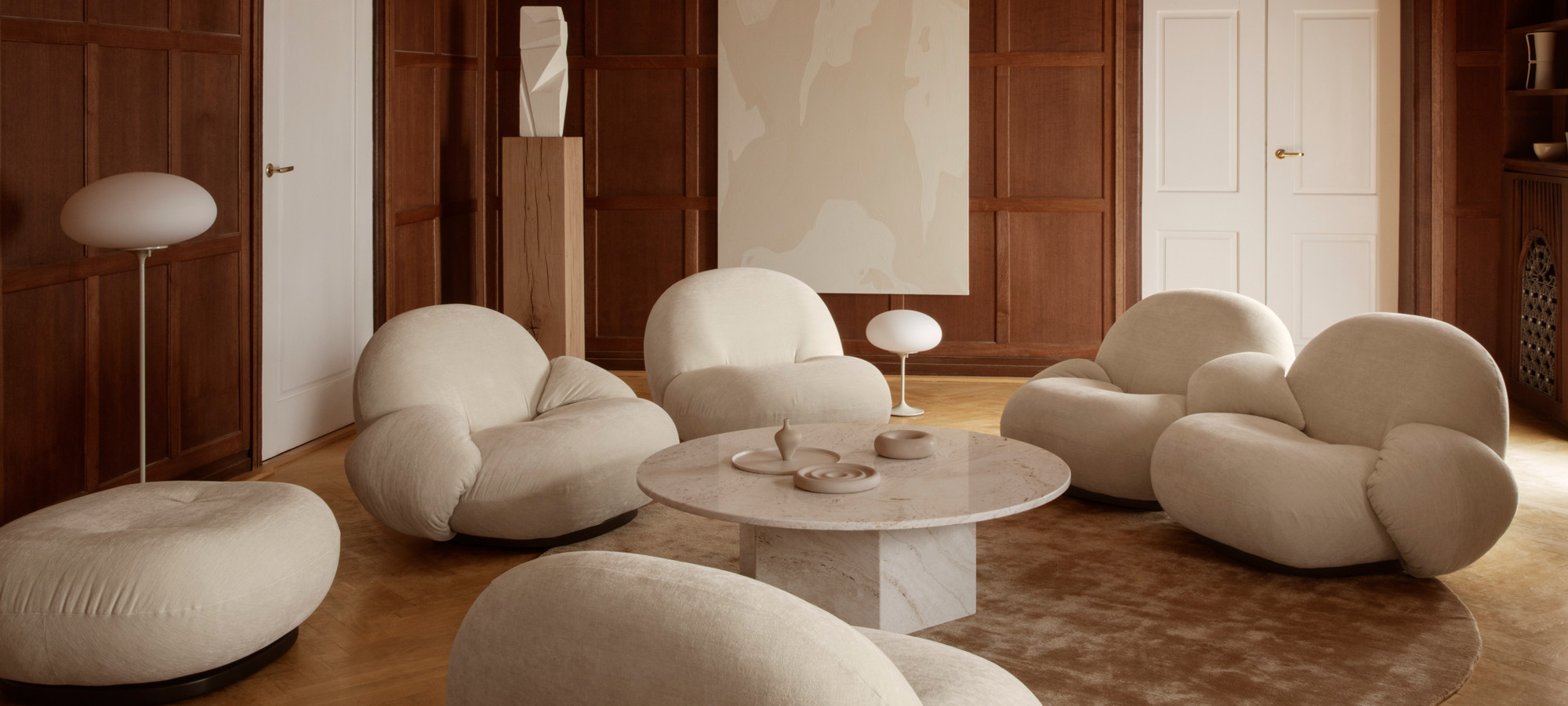
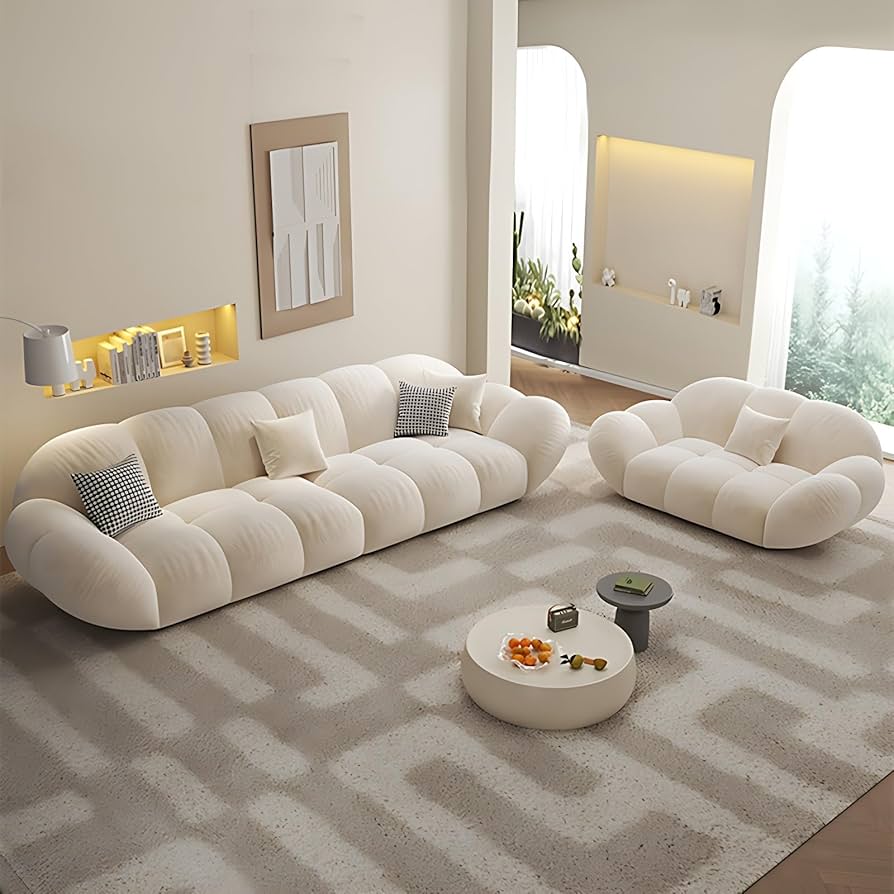
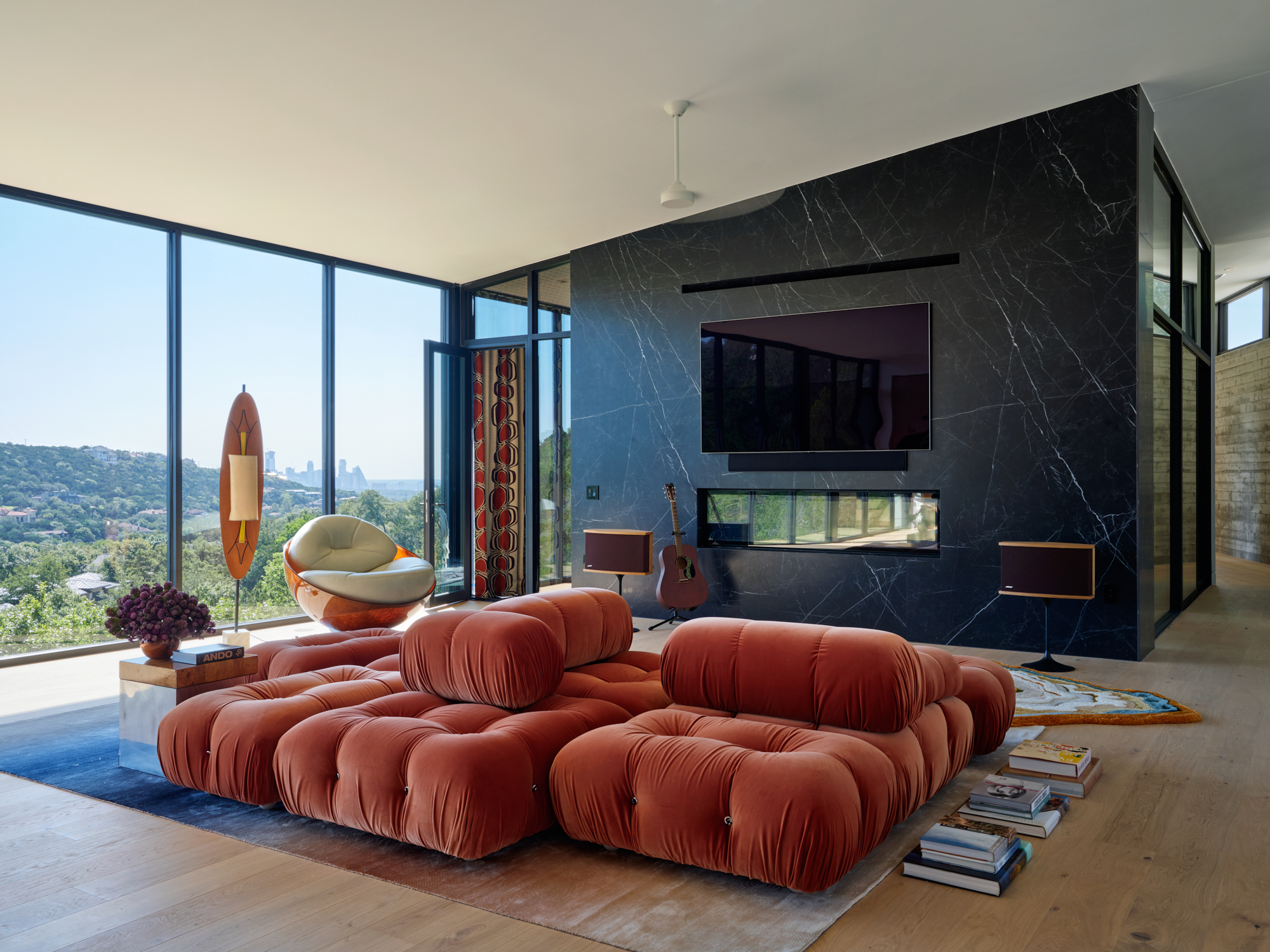
Modular sofas with bold, chunky silhouettes—like the iconic Camaleonda Sofa, Maralunga Sofa, and Soriana Sofa—remain highly popular even decades after their original designs were introduced. Their lasting appeal comes from their perfect balance of comfort, flexibility, and style, making them ideal for both relaxing and entertaining guests. These sofas can easily adapt to different layouts and pair beautifully with a wide range of furniture styles, from modern minimalism to retro-inspired interiors. To give your space a fresh and contemporary feel, choose a bold, vibrant color that turns the sofa into a statement piece while keeping the overall design stylish and inviting.
Animal Print Accents
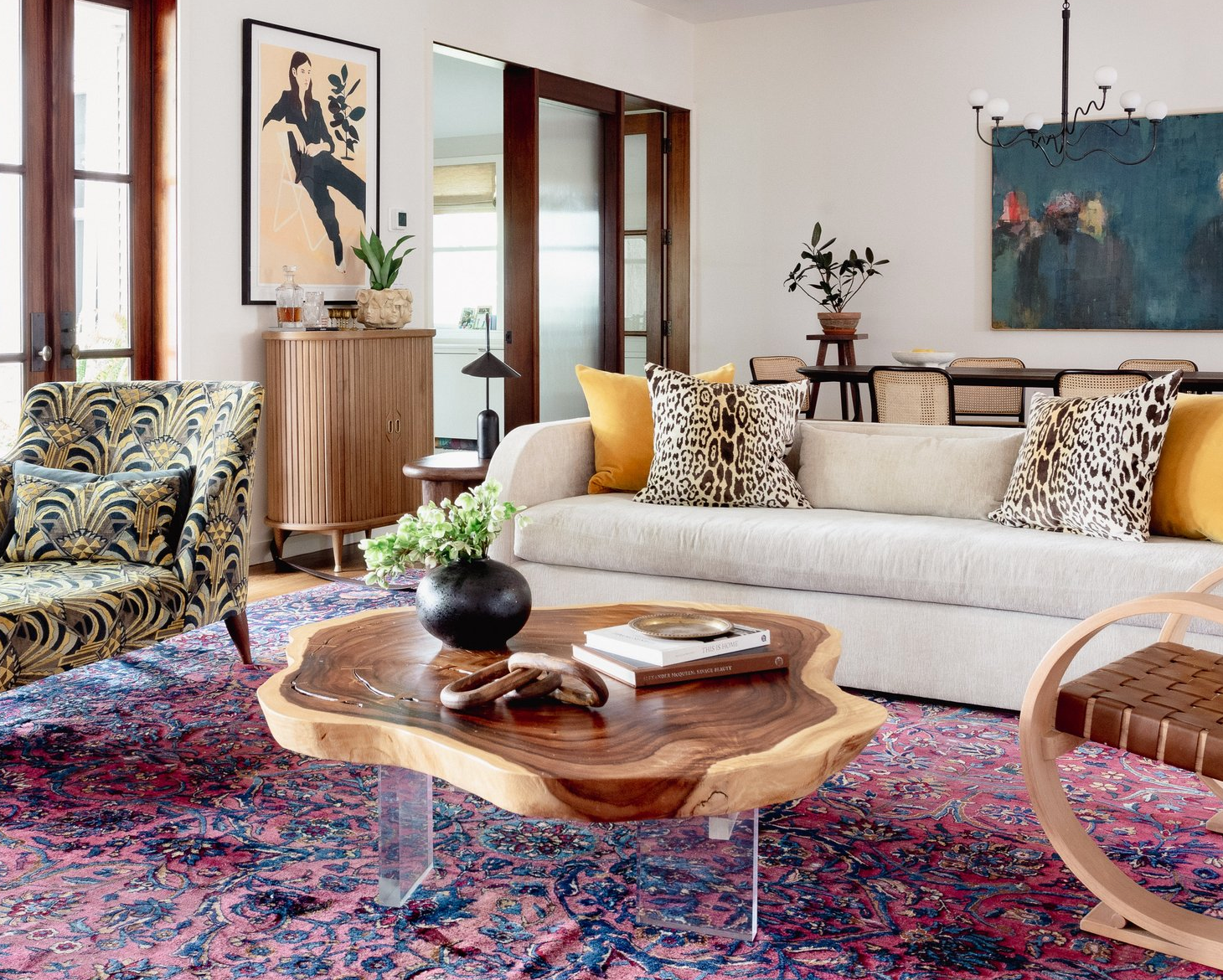
Animal print was a major trend in both fashion and interior design during the 1970s, adding bold personality and a touch of glamour to spaces. To give this retro style a more modern and balanced feel today, pair animal-print patterns with neutral color palettes and natural materials. Elements like a live-edge coffee table, wooden furniture, woven textures, or soft linen fabrics help soften the boldness of the print while keeping the room stylish and sophisticated. This combination creates a warm, contemporary space that still captures the playful and iconic spirit of 70s design.
Floor Lamp
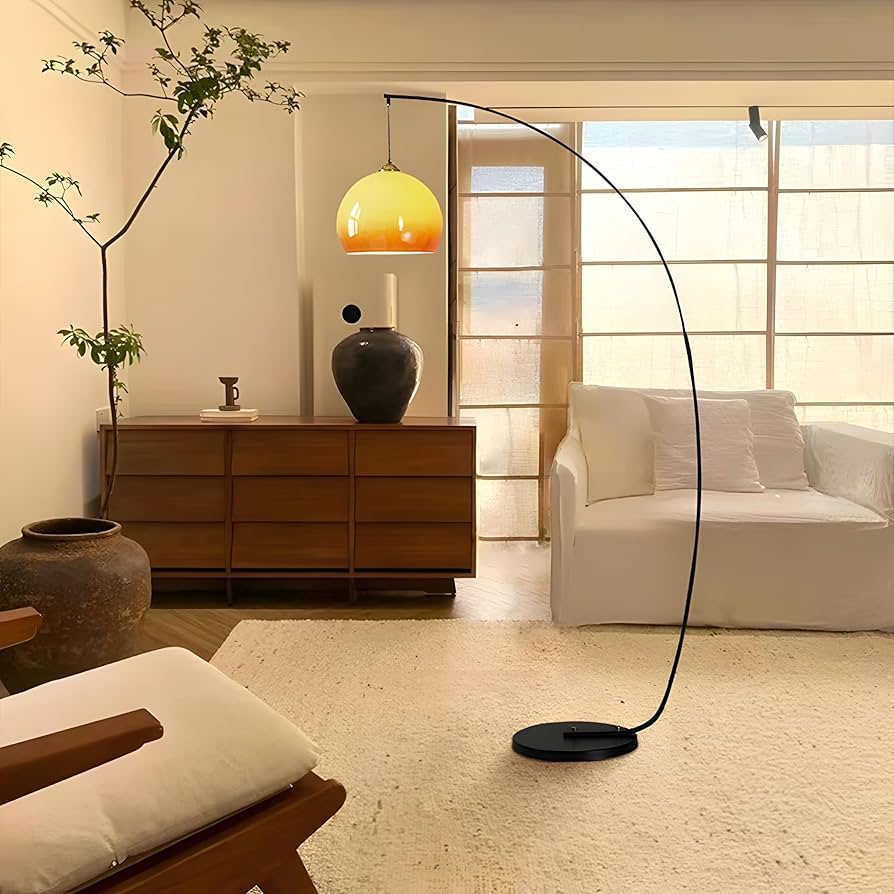
Originally created in 1962 by designers Achille Castiglioni and Pier Giacomo Castiglioni, the iconic Arco Lamp is known for its elegant curved shape and solid Carrara marble base. Its adjustable arch allows light to extend beautifully over seating areas, making it both functional and visually striking in living spaces. Over the years, the lamp has experienced a strong comeback in modern interiors because of its timeless and sophisticated design.
Its influence can also be seen in other contemporary lighting pieces, including the Fork Lamp by Diesel and the Twiggy Floor Lamp designed by Marc Sadler for Foscarini. These modern interpretations continue the sleek, sculptural style that made the original Arco lamp a lasting design classic.
Velvet Sofa in a Bold Color
Everything about this vibrant room designed by Dani Dazey perfectly captures the bold and playful spirit of 1970s interior design. From the bubblegum pink walls to the colorful geometric artwork and plush velvet sofa, the space embraces the era’s love for expressive colors and statement decor. Bright color palettes and luxurious velvet textures became especially popular during the ’70s, helping interiors feel energetic, creative, and full of personality. The combination of bold hues, retro patterns, and soft fabrics creates a fun yet stylish atmosphere that celebrates vintage charm with a modern twist.
A Conversation Pit With Jewel-tone Pillows
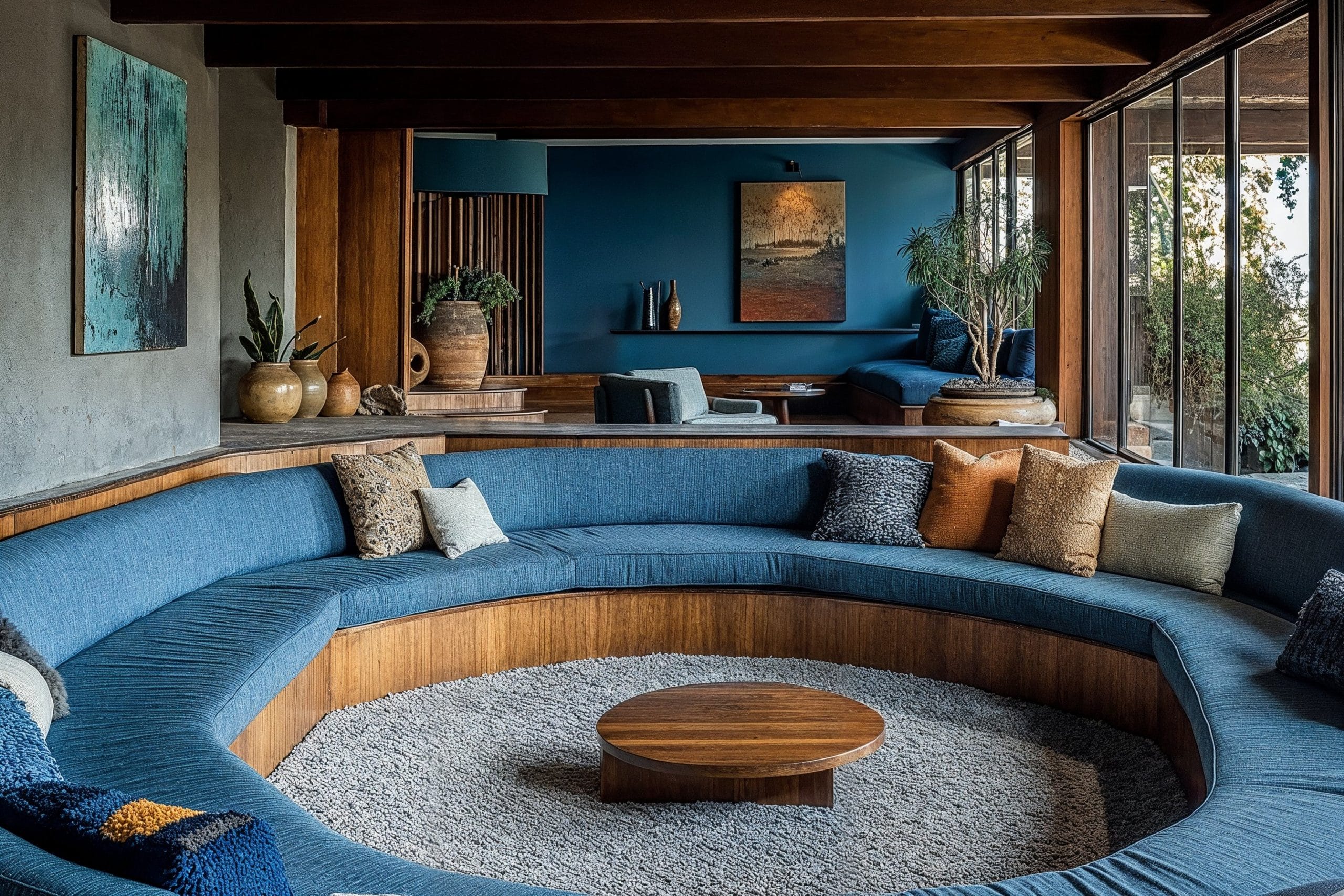
A conversation pit is a stylish way to bring classic 1970s design into a modern home while creating a cozy and inviting gathering space. This sunken seating area not only adds a unique architectural feature to the room but also encourages comfort, relaxation, and social interaction. Its layered layout introduces visual depth and makes the space feel more dynamic and open. Often paired with plush cushions, warm earthy tones, and retro-inspired decor, a conversation pit captures the laid-back and welcoming atmosphere that defined many iconic ’70s interiors.
Soft Tones
Combine geometric patterns with soft pastel tones to create a living space that feels creative, stylish, and full of personality. Sydney architect Scott Weston is well known for his bold use of color, and this room beautifully showcases that signature approach. The muted pastel shades add a calm yet sophisticated touch, while the textured flokati rug placed beneath the iconic Noguchi Coffee Table enhances the room’s midcentury-inspired aesthetic. The mix of clean geometric shapes, soft colors, and layered textures creates a balanced interior that feels both artistic and timeless.
Integrated Television
During the 1950s and 1960s, the living room was designed primarily as a comfortable space for relaxing and spending time with family or guests after a long day. Furniture layouts were usually arranged around the main focal point of the room — a large television set that often dominated the space. Today, modern technology has transformed the way televisions fit into interior design, allowing them to blend seamlessly into stylish living rooms whether they are in use or not.
With the rise of streaming services and compact media devices, bulky entertainment units are no longer necessary. Modern built-in cabinets and media consoles now feature sleek, low-profile designs that keep the room feeling clean, open, and contemporary. This minimalist approach allows living spaces to maintain both functionality and sophisticated style without overwhelming the overall decor.
Abstract Art and Wood Coffee Table
This retro-inspired living room captures the essence of 1970s design with several iconic elements, including a low-profile velvet sofa in a rich mustard yellow shade, bold abstract wall art, and a layered wooden nesting coffee table accented with a vintage peacock decor piece. The combination of warm colors, soft textures, and artistic details creates a cozy yet visually striking atmosphere that reflects the playful spirit of the era.
Designer Ayten Nadeau explains that when decorating with vintage-inspired styles, it’s important to blend retro elements with contemporary pieces to keep the space feeling fresh and personal rather than overly themed. Mixing modern accents with classic 70s decor helps create a balanced interior that feels unique, stylish, and timeless.
Conclusion
The blend of ’90s vintage charm and 70s-inspired design creates a living room aesthetic that feels warm, expressive, and full of personality. From bold color palettes and geometric patterns to plush velvet sofas, retro lighting, and nostalgic decor accents, these styles work together to create spaces that are both cozy and visually striking. Whether you prefer earthy 70s tones, playful ’90s vibes, or a mix of both, these living room ideas prove that retro interiors can still feel fresh, stylish, and timeless in modern homes. By combining vintage inspiration with contemporary touches, you can create a unique space that feels inviting, creative, and effortlessly full of character.