
A dark nature aesthetic bedroom combines the beauty of the outdoors with rich, moody design elements to create a space that feels both calming and mysterious. Inspired by deep forest landscapes, twilight skies, rugged mountains, and earthy textures, this design style embraces dark color palettes such as charcoal gray, forest green, deep brown, and midnight blue. Natural materials like wood, stone, linen, and rattan add warmth and authenticity, while botanical prints, nature-inspired artwork, and lush greenery help bring the outside world indoors. Soft lighting from candles, warm-toned lamps, or string lights enhances the cozy atmosphere, creating a peaceful retreat that feels connected to nature. Whether you prefer a rustic woodland vibe, a modern organic look, or a dramatic cabin-inspired sanctuary, a dark nature aesthetic bedroom offers the perfect balance of comfort, sophistication, and natural beauty, making it an ideal space for relaxation, creativity, and restful sleep.
Forest Floor Retreat With Mossy Textures
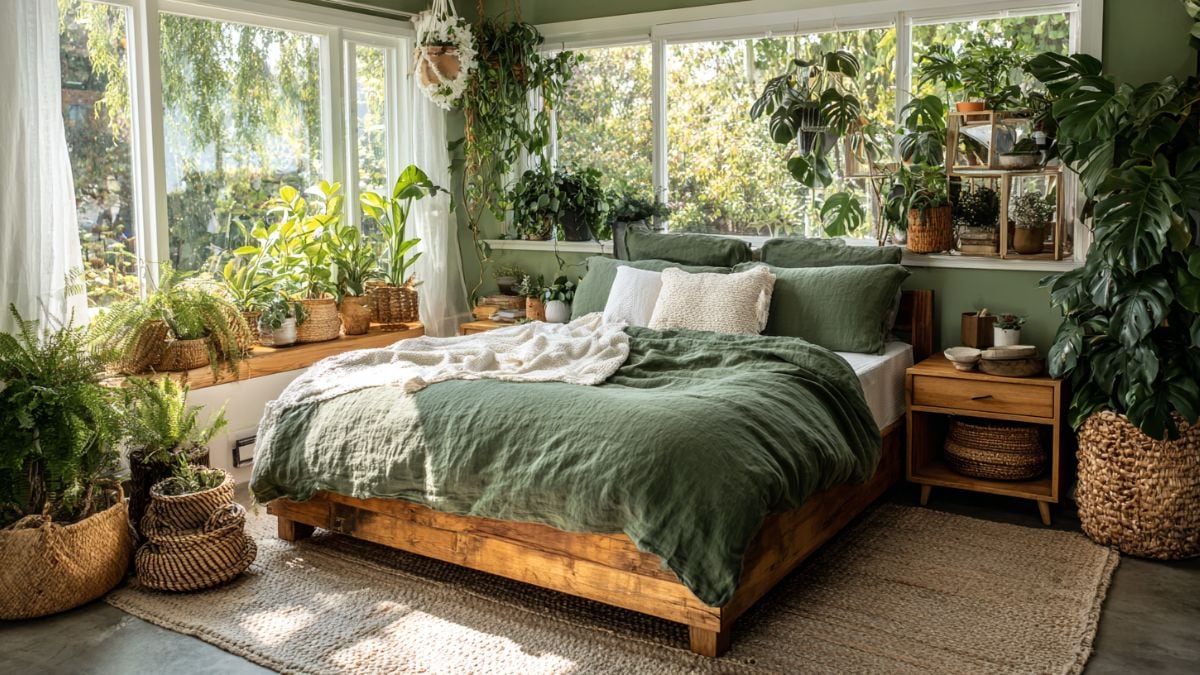
This bedroom design begins with a strong connection to the ground, creating a space that feels calm, organic, and deeply rooted in nature. Rather than using the floor as a simple backdrop, it becomes a key element of the room’s overall aesthetic. Layered rugs in rich earthy shades, soft textures, and natural materials help recreate the comforting feel of a woodland landscape. Low-profile furniture, such as platform beds or floor-level frames, enhances the grounded atmosphere and encourages a sense of relaxation.
The design avoids anything overly sleek or formal, instead embracing softness, warmth, and natural character. Textured fabrics, layered bedding, and thoughtfully arranged décor add depth and visual interest without appearing overly structured. Small imperfections and relaxed styling contribute to an authentic, lived-in feel, making the room feel cozy, inviting, and effortlessly connected to the beauty of the natural world.
Midnight Canopy With Draped Darkness
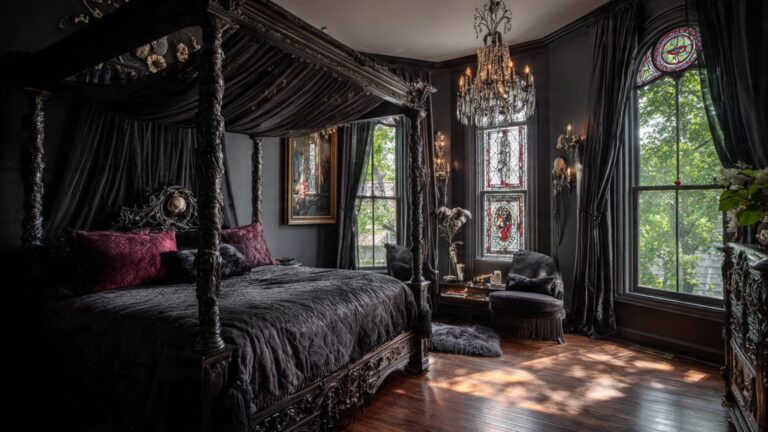
This bedroom concept draws the eye upward, transforming the ceiling into an important design feature rather than leaving it unnoticed. Soft, dark fabrics draped above the bed create a canopy-like effect that adds warmth, intimacy, and visual interest to the space. The layered materials help establish a cozy atmosphere while maintaining an open and comfortable feel. Lighting is kept subtle and carefully positioned, with warm ambient sources placed around the room to create a gentle glow instead of harsh brightness. This approach enhances depth and highlights the room’s textures without disrupting its peaceful mood. The overall design creates a soothing retreat that feels sheltered and relaxing, encouraging rest and helping to create a tranquil environment where you can unwind and escape from the distractions of everyday life.
Stone Cave Inspired Sleeping Space
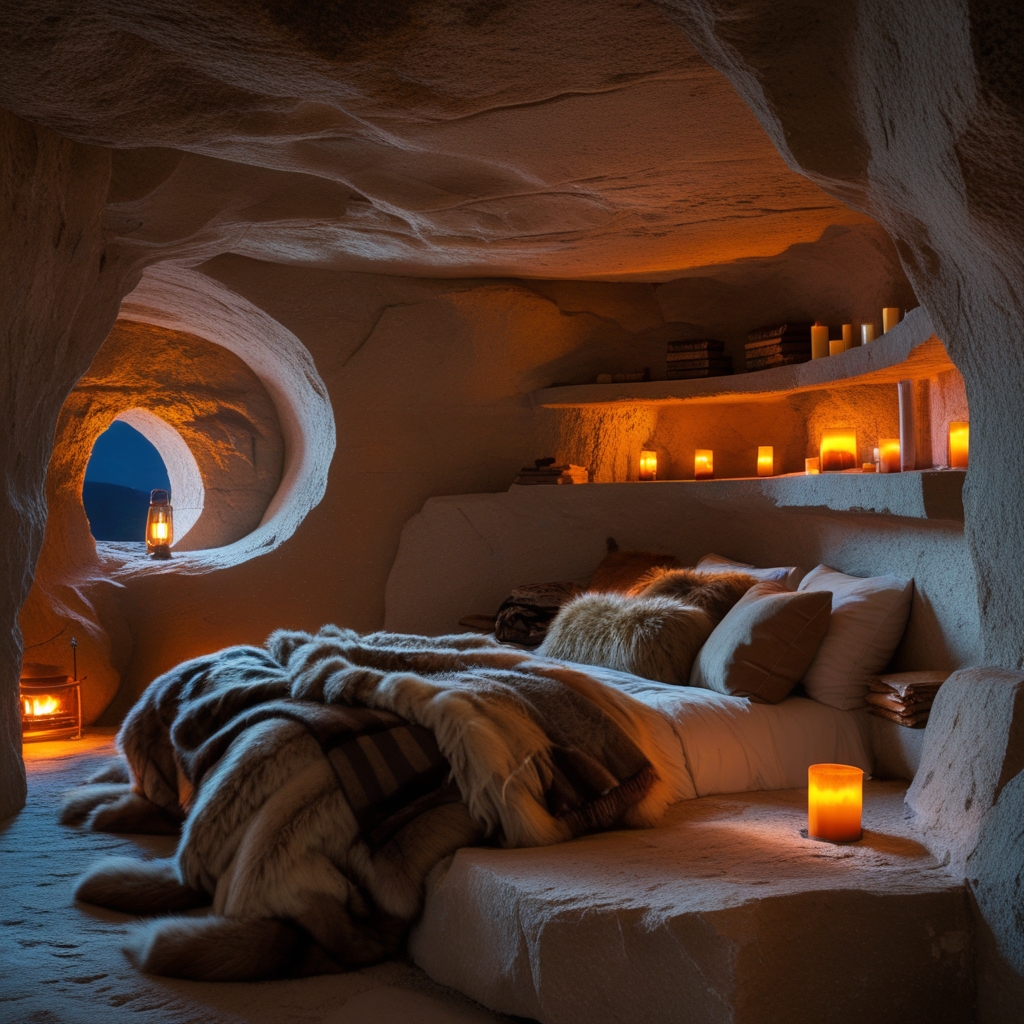
This design approach embraces a rugged, natural character. Surfaces should appear sturdy, textured, and firmly rooted in the space. Walls with tactile finishes or stone-like materials immediately move the room away from a sleek, contemporary feel.
Keep the color scheme restrained and cohesive. Soft grays, rich charcoals, and understated earth tones create the strongest effect. Avoid introducing excessive color variations, as the impact of this style relies on visual consistency.
Lighting should remain subtle and indirect. Just as a cave is shaped by pockets of light and shadow rather than uniform brightness, the room should follow the same principle. Allow darker areas to exist naturally instead of trying to illuminate every corner.
Gothic Botanical Corner With Dramatic Contrast
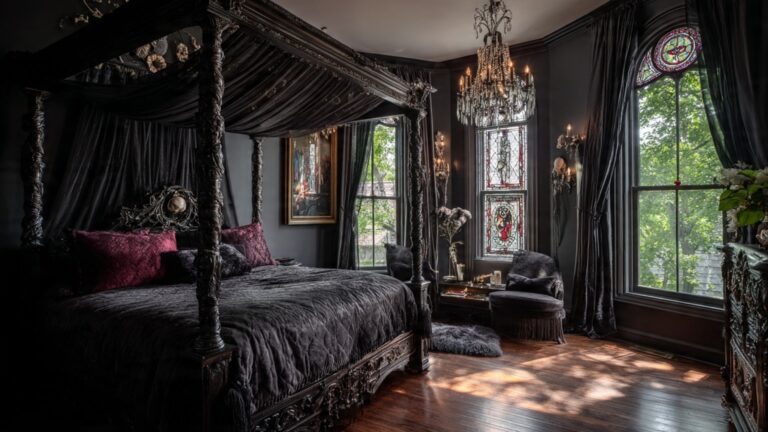
The impact of this style comes from the interplay between light and dark. Deep, moody surfaces combined with lush botanical accents create a striking visual dynamic that feels sophisticated, immersive, and subtly theatrical.
Establish a clear centerpiece within the room. Whether it’s a feature wall, a reading nook, or the sleeping area, concentrate the strongest contrast in one location. This creates a sense of purpose and prevents the design from feeling cluttered or overwhelming.
Prioritize quality over abundance. A small selection of statement pieces with distinctive character will have a greater effect than numerous decorative elements competing for attention. Thoughtful restraint gives the space a polished and intentional appearance.
Storm-washed Coastal Mood Room
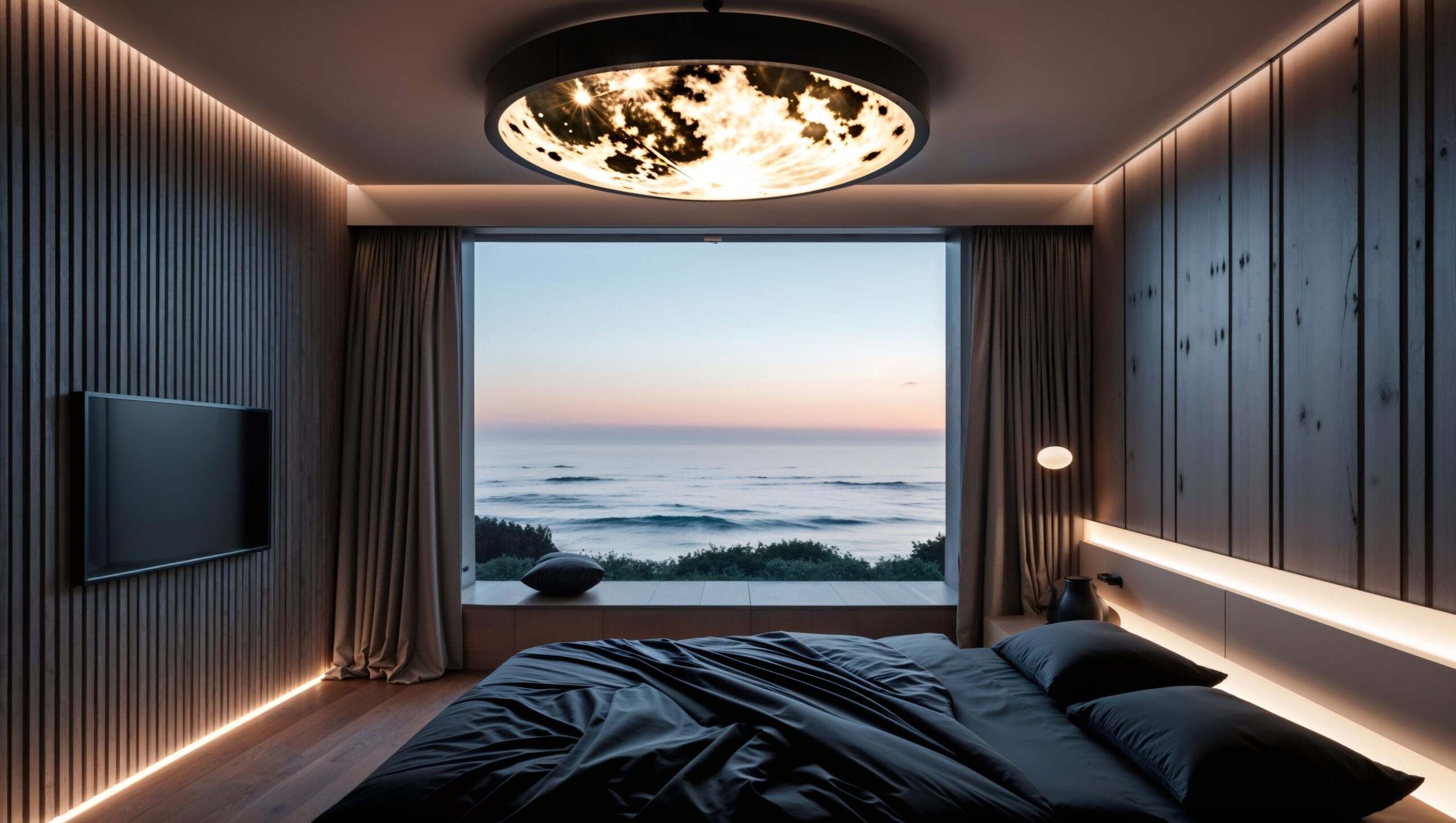
This concept embraces a gentle, understated form of darkness. Rather than feeling bold or overpowering, it creates a sense of quiet character through softened tones and naturally aged appeal. Muted blues, smoky grays, and desaturated shades evoke the feeling of landscapes shaped by years of exposure to the elements.
Materials and finishes should carry a sense of subtle wear. Surfaces with a timeworn appearance, softened textures, and weathered details help establish an airy, windswept atmosphere without relying on obvious seaside themes.
Maintain a sense of openness throughout the space. Negative space plays an important role in the overall aesthetic, allowing the design to feel relaxed, balanced, and unconfined. The result is a room that feels serene and spacious rather than dark and enclosed.
Shadowy Woodland With Layered Silhouettes
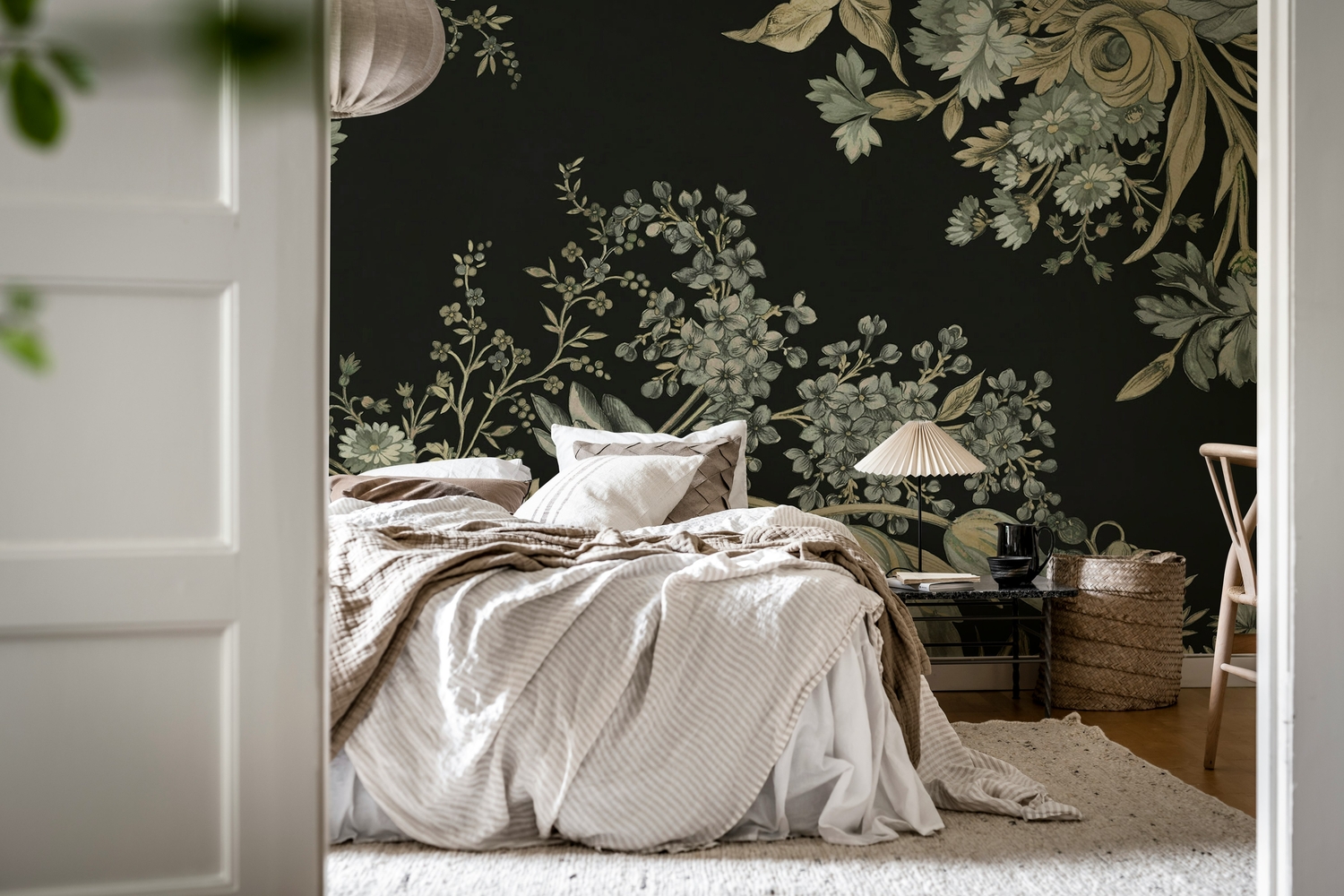
The essence of this concept lies in creating visual depth. Rather than drawing attention to individual pieces, focus on the relationship between forms and how they stack, intersect, and recede. Layered shapes add dimension, making the space feel rich, immersive, and far larger than its actual footprint.
Approach contrast with restraint. Variations within dark tones are more effective than dramatic shifts in color. Subtle differences in shade and texture help define layers while maintaining a cohesive and atmospheric look. The objective is to create gentle visual transitions rather than strong separation.
A sense of mystery enhances the overall effect. Not every corner of the room needs to be immediately visible or fully illuminated. Allow some areas to dissolve into softer shadows, encouraging the eye to explore the space gradually. This creates an environment that feels expansive, intriguing, and full of hidden depth.
Ember Glow Bedroom With Warm Dark Tones
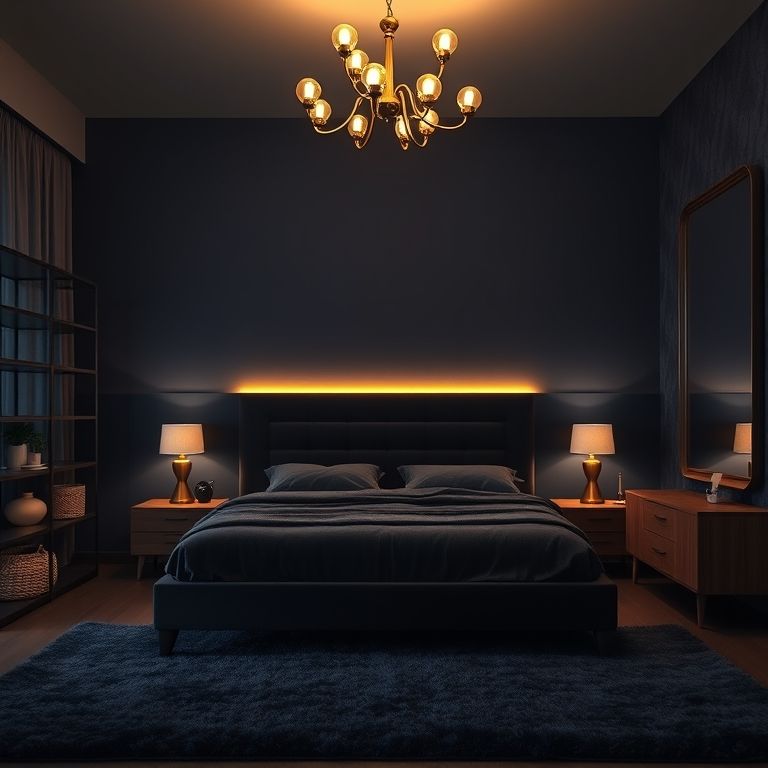
This design direction introduces a warmer, more inviting character while still maintaining a strong sense of depth. Rich chocolate hues, earthy terracotta shades, and gentle golden illumination work together to create an environment that feels welcoming, intimate, and full of subtle energy.
Light should serve as a defining feature rather than a background element. Instead of distributing brightness throughout the room, focus it in select locations to create pockets of warmth and visual interest. The effect should resemble a soft radiance that naturally draws attention.
Materials and finishes should convey a sense of substance and comfort. Layering tactile surfaces with deeper visual weight enhances the cozy atmosphere, helping the room feel stable, dimensional, and thoughtfully composed rather than smooth or one-dimensional.
Foggy Mountain Escape With Soft Contrast
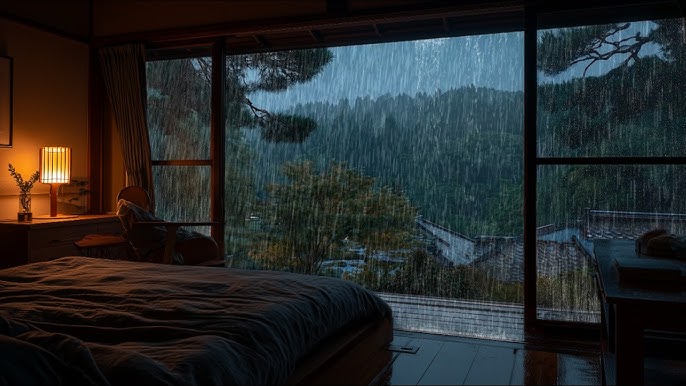
This aesthetic is defined by softness and subtlety. Shades blend seamlessly into one another, boundaries appear less pronounced, and the overall atmosphere feels calm and weightless. The space should evoke the impression of being veiled in a delicate haze, creating a serene and dreamlike presence.
Steer clear of dramatic contrasts or abrupt color shifts. Smooth gradations between hues help establish an ethereal quality, allowing the room to feel cohesive, soothing, and visually effortless. Every transition should appear natural and understated.
Simplicity is essential to maintaining the effect. An uncluttered arrangement allows the atmosphere to remain uninterrupted, while excessive furnishings or decorative accents can diminish the sense of calm. The success of this concept comes from thoughtful restraint and carefully balanced design choices rather than abundance.
Ancient Wood Cabin With Timeworn Character
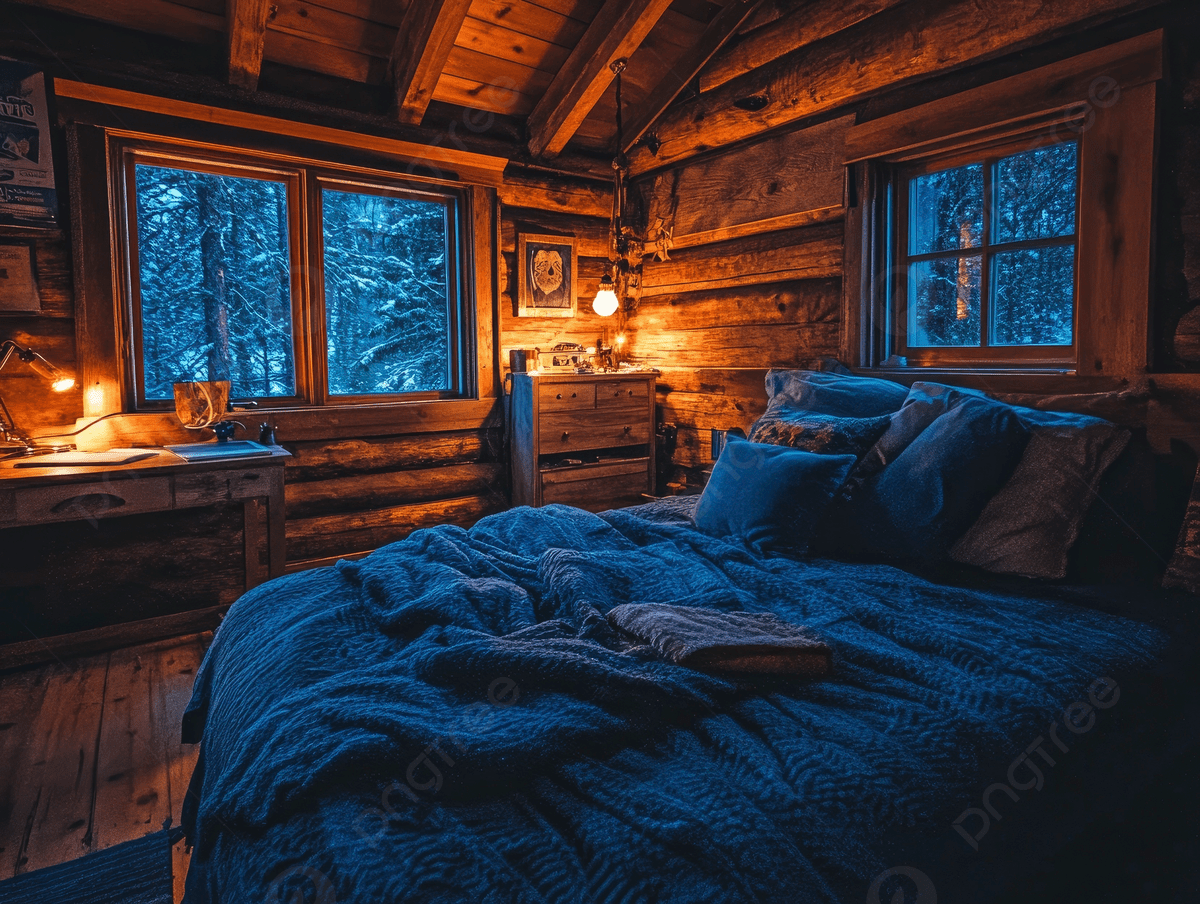
This concept is rooted in a sense of timeless character. Surfaces and materials should appear naturally aged, carrying subtle imperfections and signs of use that add authenticity rather than looking newly finished or highly refined.
Maintain a cohesive material palette throughout the space. Introducing too many finishes or contrasting elements can weaken the overall effect. Warm wood surfaces should take center stage, providing visual continuity and serving as the primary source of texture and depth.
The overall mood should feel calm, enduring, and firmly anchored. The room should convey the impression of a place that has quietly stood the test of time, preserving its atmosphere and identity through years of gentle evolution.
Conclusion
A dark nature aesthetic bedroom is more than a design trend—it’s a way to create a space that feels calm, immersive, and deeply connected to the natural world. Whether you prefer moody forest-inspired tones, weathered textures, earthy warmth, or soft shadow-filled interiors, the key is maintaining balance, consistency, and atmosphere. By thoughtfully combining natural materials, layered textures, and subdued colors, you can transform any bedroom into a peaceful retreat that feels both grounded and visually captivating. Let these ideas inspire a space that reflects your personality while offering comfort, depth, and a lasting sense of tranquility.